


Abu Simbel: Exploring the Iconic Temples of Ramses II and Nefertari

Table of Contents

Introduction

Abu Simbel is a complex of ancient temples located in Nubia, near the southern border of Egypt. Built by Ramses II in the 13th century BCE, Abu Simbel is known for its massive statues, intricate carvings, and historical significance. In this blog post, we’ll explore the fascinating history and culture of Abu Simbel, from its construction to its relocation and preservation.

History of Abu Simbel

Abu Simbel was built during the reign of Ramses II, one of the most powerful pharaohs in ancient Egypt. The temple complex was designed to honor the gods and the pharaoh himself, with massive statues and intricate carvings depicting Ramses II as a god-king. The temples were carved into the side of a cliff overlooking the Nile River, a location chosen for its strategic importance and religious significance.

For centuries, Abu Simbel stood as a testament to the power and glory of ancient Egypt. However, in the 20th century, the construction of the Aswan Dam threatened to flood the site, along with many other ancient Egyptian monuments. In a remarkable engineering feat, the temples of Abu Simbel were relocated to higher ground, preserving them for future generations to enjoy.


The Temple of Ramses II

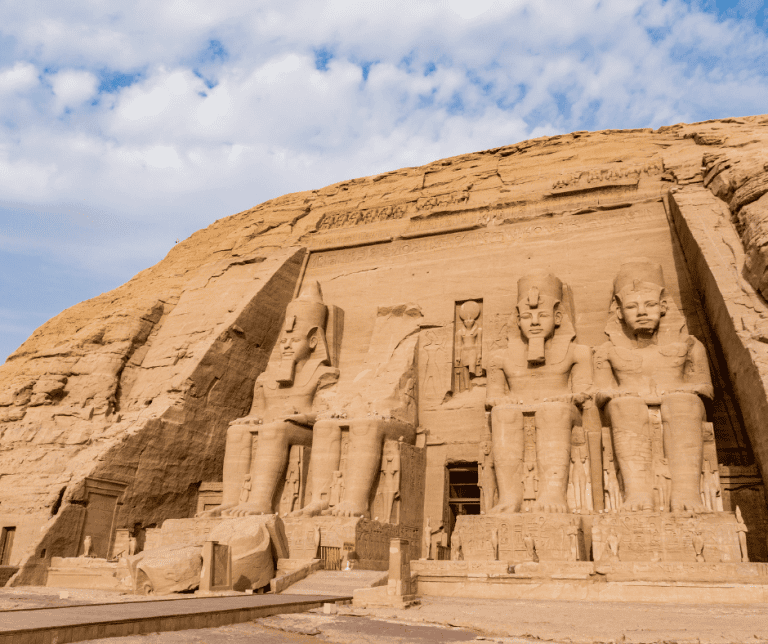
The Temple of Ramses II is the larger of the two temples at Abu Simbel. It is dedicated to the gods Amun, Ra-Horakhty, and Ptah, as well as to Ramses himself. The temple is famous for its four massive statues of Ramses II, each standing at over 20 meters tall. The statues are carved into the rock face of the temple, and their faces are said to represent the pharaoh in different stages of his life.

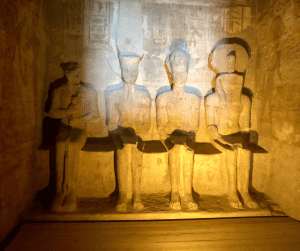
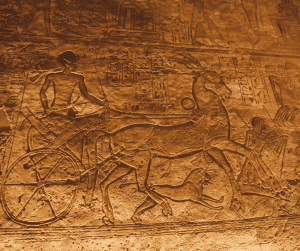
Inside the temple, visitors can explore a series of chambers filled with intricate carvings and artwork. These carvings depict scenes from Ramses II’s reign, as well as religious and mythological motifs. The temple also features a hypostyle hall, supported by massive columns decorated with carvings of Ramses II and other gods.

The Temple of Nefertari

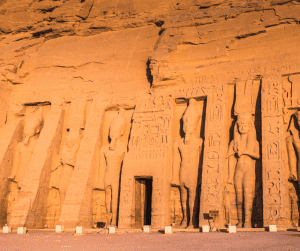
The Temple of Nefertari is a smaller temple located adjacent to the Temple of Ramses II. It was dedicated to Ramses II’s wife, Nefertari, and the goddess Hathor. The temple is notable for its intricate carvings and artwork, which are considered among the finest examples of ancient Egyptian art.

Inside the temple, visitors can explore a series of chambers filled with artwork depicting Nefertari, Hathor, and other gods. The carvings are incredibly detailed, with vibrant colors and intricate patterns. The temple also features a hypostyle hall, similar to the one found in the Temple of Ramses II.

Abu Simbel in Popular Culture

Abu Simbel has been featured in many films, TV shows, and other media over the years. One of the most famous portrayals of Abu Simbel is in the film “The Spy Who Loved Me,” where the temples are used as a secret hideout for the villain. The temples have also been featured in numerous documentaries, travel shows, and other media.

The impact of Abu Simbel on tourism in Egypt cannot be overstated. The temples attract thousands of visitors every year, and their relocation has become a symbol of the importance of preserving ancient cultural sites. Abu Simbel is a testament to the power and majesty of ancient Egypt, and it remains an important cultural and historical site to this day.

Conclusion

When visiting Abu Simbel, it is important to take note of some important tips. The temple complex is located in the middle of the desert, so it’s essential to bring appropriate clothing and gear for the climate. The temperatures can reach up to 45°C (113°F) during the day, so it’s best to visit early in the morning or later in the afternoon to avoid the hottest hours.

It’s also important to note that there are limited facilities in Abu Simbel, with only a few restaurants and small shops available. It’s advisable to bring enough water and snacks to keep you hydrated and energized throughout your visit.

In terms of transportation, there are several options available to reach Abu Simbel. The most popular way is by taking a flight from Aswan, which takes around 45 minutes. There are also buses and private taxis available, but they can take up to 3-4 hours and are less comfortable than the flights.

Overall, Abu Simbel is a must-visit destination for anyone interested in ancient Egyptian history and architecture. With its stunning temples, rich history, and breathtaking views, it’s an experience that you will never forget.

Share this with your friends
See these amazing sites in person with Ancient Navigator
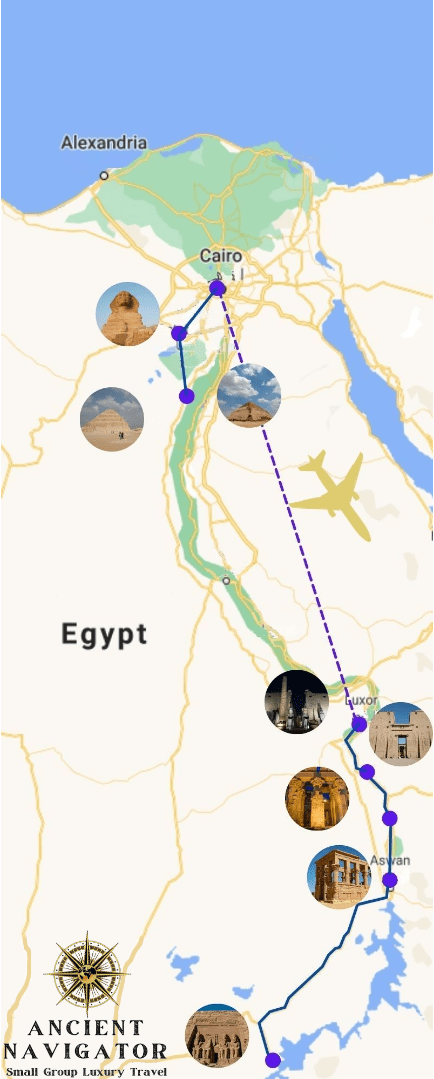
Map of Egypt with highlight photos of the major touring sites for Ancient Navigator

Planning a Trip to Egypt? Here’s How Long You Need

Think you can “do” Egypt in 3 days? Think again. From ancient tombs to Nile-side secrets, this guide reveals why the magic of Egypt demands more than a layover—and shows you exactly how many days you really need to make it unforgettable. Don’t book that flight until you read this.

How Far Does $100 Go in Egypt?

Think $100 won’t get you far? In Egypt, it’s a game-changer. From luxury hotels to mouthwatering meals and ancient wonders, see how far your dollar really goes. This guide breaks down real costs, insider tips, and jaw-dropping experiences you can afford—without breaking the bank.

Join the Wait list!

If your travel plans are further out. Get on our wait list and we will let you know when future dates and pricing become available. 

Sign up below to get on the wait list. You will be one of the first to be notified when reservations open up. 

Required*

Discover the World with Ancient Navigator

Sign up to hear about our upcoming adventures, monthly newsletter, exclusive offers, and more!

Required*

Not Ready to book?

Join our Email List

Get regular updates on upcoming tour and special promotions.

Before you Go

Sign up for our Mailing List to get updates on our current offerings.