Egyptian Music and Dance: Exploring the Local Rhythms That Enchant the Senses

Table of Contents

Introduction

Egyptian music and dance have long been revered as captivating expressions of Egypt’s rich cultural heritage. From ancient times to the modern era, these art forms have played a significant role in shaping the country’s identity. In this blog post, we will embark on a journey through the mesmerizing world of Egyptian music and dance, uncovering their historical roots, diverse traditions, and contemporary significance. Join us as we explore the local rhythms that continue to enchant the senses and ignite the soul.

Unveiling the Splendor of Traditional Egyptian Music

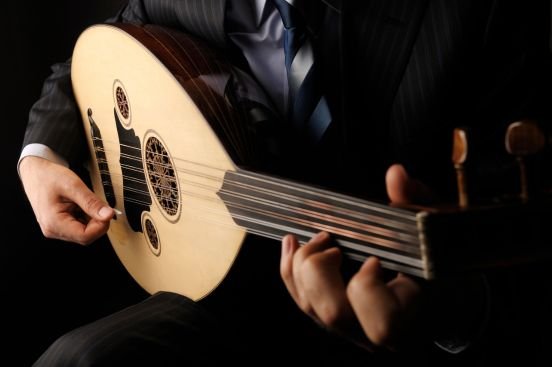
Ancient Egypt holds a treasure trove of musical traditions that have been passed down through generations. Dating back to the time of pharaohs, Egyptian music has evolved while preserving its distinctive essence. The enchantment lies not only in the melodies but also in the instruments that breathe life into the compositions. From the resonating notes of the oud to the haunting tones of the nay, we’ll discover the key instruments that define traditional Egyptian music. Furthermore, we’ll unravel the captivating scales and melodic patterns that give Egyptian music its unique allure. Within this exploration, we’ll also delve into the diverse genres of classical, Sufi, and folk music, each carrying its own cultural significance and evoking a range of emotions.
 

Embarking on a Dance Journey Through Egyptian Traditions

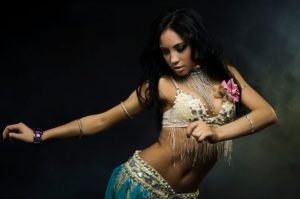
Dance is an integral part of Egyptian culture, providing a captivating and expressive outlet for emotions and stories. Egyptian dance traditions have been shaped by a fascinating interplay of influences throughout history. We’ll take a step back in time to explore the origins and evolution of Egyptian dance, tracing its roots to ancient civilizations and the cultural crossroads of Egypt. From there, we’ll immerse ourselves in the various styles of Egyptian dance, such as the mesmerizing Raqs Sharqi (belly dance), the whirling dervishes of Tanoura, and the spiritual Sufi dance. Delving deeper, we’ll discover the significance of dance in religious and social contexts, unveiling the emotional and spiritual dimensions that make Egyptian dance a captivating art form.

A Fusion of Cultures: Influences and Modernization

Egypt has long been a melting pot of diverse cultures and influences, and its music and dance reflect this rich tapestry of heritage. Over the centuries, Egyptian music and dance have absorbed elements from neighboring regions and international sources, resulting in a fusion of captivating rhythms and melodies. We’ll explore the cross-cultural influences that have shaped Egyptian music and dance, tracing their evolution through time. Moreover, we’ll delve into the modernization of these art forms, as Egyptian artists have embraced global influences and integrated Western and contemporary elements into their compositions and performances. This harmonious blend has not only enriched the artistic landscape but also contributed to the global popularity of Egyptian music and dance.

The Pulse of Today: The Vibrant Egyptian Music and Dance Scene

The vibrancy of Egyptian music and dance extends to the present day, with a thriving contemporary scene that continues to captivate audiences worldwide. We’ll take a closer look at the current music and dance trends in Egypt, highlighting the fusion of traditional and modern elements. From renowned musicians pushing the boundaries of Egyptian music to mesmerizing dancers captivating audiences with their artistry, we’ll showcase the talents shaping the local and global stage. Additionally, we’ll explore the role of festivals, events, and institutions in promoting and preserving Egyptian music and dance, as they serve as crucial platforms for artists to showcase their creativity and connect with audiences.

Cultural Resonance: Egyptian Music and Dance in Daily Life

Egyptian music and dance resonate deeply within the daily lives of Egyptians, permeating various aspects of their culture and leaving an indelible mark on their collective identity. These art forms hold integral roles in celebrations, weddings, and religious ceremonies, serving as vehicles for cultural expression and emotional release.

In celebrations, whether it’s a joyful wedding or a festive religious occasion, the enchanting sounds of Egyptian music fill the air, captivating participants and creating an atmosphere of jubilation. The rhythmic beats and melodic tunes invite people to dance, engaging both performers and spectators in a shared experience of joy and unity. Traditional songs and dances are passed down from generation to generation, preserving the cultural heritage and fostering a sense of belonging and continuity.

Weddings, in particular, provide a vivid display of the importance of music and dance in Egyptian culture. From the spirited Zaffa procession to the exuberant Debkah dance, music and dance play an integral role in these joyous occasions, infusing them with energy, excitement, and cultural significance. The performances by live bands and professional dancers add an element of grandeur and entertainment, leaving lasting memories for the newlyweds and their guests.

Religious ceremonies also bear witness to the cultural resonance of Egyptian music and dance. Sufi music and dance, for instance, hold spiritual significance and are integral to the practices of Sufi orders. The mesmerizing movements and captivating rhythms create a transcendent atmosphere, facilitating a connection with the divine and providing a path to spiritual enlightenment. The rituals and performances become expressions of devotion, evoking profound emotions and fostering a sense of unity among participants.

Beyond the realm of celebrations and religious ceremonies, Egyptian music and dance play a pivotal role in shaping the national identity and cultural diplomacy of Egypt. These art forms serve as powerful ambassadors, resonating with people across borders and fostering connections between different nations. The global popularity of Egyptian music and dance has contributed to cultural exchanges, bringing people together through a shared appreciation for these captivating rhythms and movements. Egyptian musicians and dancers, both traditional and contemporary, have gained international recognition, further strengthening the country’s cultural diplomacy and promoting Egypt’s rich artistic heritage on a global scale.

Furthermore, the economic implications of Egyptian music and dance are significant, particularly in the tourism industry. The allure of these art forms attracts tourists from around the world, who seek to experience the vibrant music and dance scene firsthand. Cultural festivals and events showcase the talents of local artists, providing opportunities for economic growth and cultural tourism. By supporting the development of these art forms and attending performances, visitors contribute to the preservation of Egyptian culture and the livelihood of artists and local communities.

Embracing the Local Rhythms: Encouraging Appreciation

Throughout this journey, we have explored the captivating allure of Egyptian music and dance, delving into their historical roots, diverse genres, and cultural significance. It is essential to embrace and appreciate the local rhythms that continue to enchant the senses, for they hold the key to unlocking a deeper understanding of Egypt’s vibrant artistic traditions.

To truly embrace the local rhythms, we encourage you to actively engage with the artistic community and immerse yourself in their performances. Attending live shows by talented Egyptian musicians and dancers is a transformative experience that allows you to witness their passion, skill, and dedication up close. Whether it’s a traditional dance recital, a music concert, or a cultural festival, these events provide a unique opportunity to connect with the music and dance traditions of Egypt firsthand.

Supporting local artists and initiatives is also crucial in preserving and promoting Egyptian music and dance. By attending their performances, purchasing their music, or sharing their work on social media, you can contribute to their visibility and success. Cultural institutions, festivals, and organizations that champion Egyptian music and dance play a vital role in providing platforms for artists to showcase their talent. By supporting these initiatives, you ensure the preservation of these traditions for future generations to enjoy and appreciate.

As you embark on your own exploration of Egyptian music and dance, be prepared for a soul-stirring experience that transcends language and borders. Allow yourself to be swept away by the rhythmic melodies, intricate movements, and cultural stories embedded within these art forms. Embrace the local rhythms with an open heart and mind, and let them transport you to a world where tradition meets innovation, and where the echoes of Egypt’s vibrant past continue to resonate in the present.

Conclusion

In conclusion, our journey into the realm of Egyptian music and dance has been an enchanting exploration of the country’s cultural heritage and artistic expressions. We have uncovered the deep-rooted significance of these art forms in Egyptian daily life, from their integral roles in celebrations and religious ceremonies to their impact on national identity and cultural diplomacy.

The local rhythms of Egyptian music and dance capture the essence of a vibrant society, fostering unity, joy, and spiritual connection among its people. They hold the power to transcend borders, reaching out to touch the hearts and minds of individuals around the world. Through their economic implications, these art forms contribute to the growth of the tourism industry and promote cultural exchanges, showcasing the richness and diversity of Egypt’s artistic traditions.

As we conclude this journey, we encourage you to continue exploring and appreciating the captivating allure of Egyptian music and dance. Immerse yourself in live performances, support local artists and initiatives, and deepen your understanding of the cultural contexts and stories behind these art forms. Let the local rhythms transport you to a world of sensory delight and cultural enrichment, and may your appreciation for Egyptian music and dance continue to grow, perpetuating their legacy for generations to come.

Share this with your friends
See these amazing sites in person with Ancient Navigator
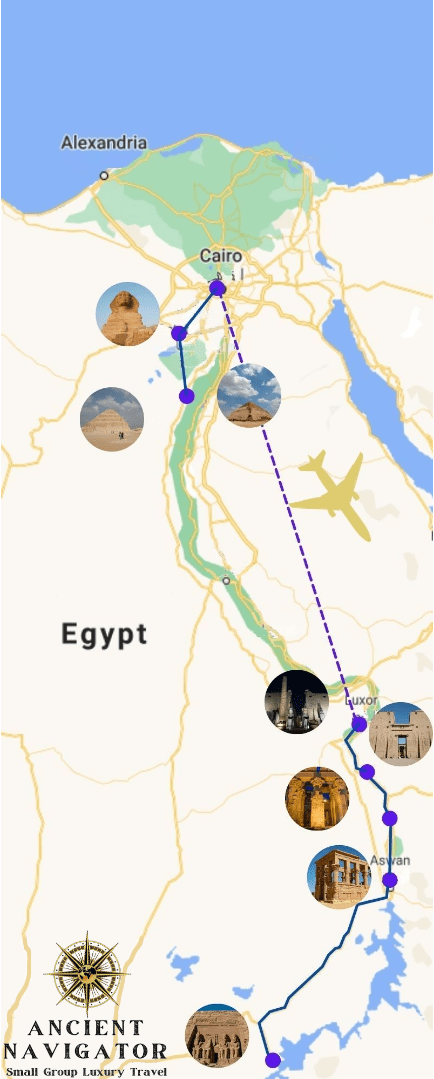
Map of Egypt with highlight photos of the major touring sites for Ancient Navigator

Planning a Trip to Egypt? Here’s How Long You Need

Think you can “do” Egypt in 3 days? Think again. From ancient tombs to Nile-side secrets, this guide reveals why the magic of Egypt demands more than a layover—and shows you exactly how many days you really need to make it unforgettable. Don’t book that flight until you read this.

How Far Does $100 Go in Egypt?

Think $100 won’t get you far? In Egypt, it’s a game-changer. From luxury hotels to mouthwatering meals and ancient wonders, see how far your dollar really goes. This guide breaks down real costs, insider tips, and jaw-dropping experiences you can afford—without breaking the bank.

Join the Wait list!

If your travel plans are further out. Get on our wait list and we will let you know when future dates and pricing become available. 

Sign up below to get on the wait list. You will be one of the first to be notified when reservations open up. 

Required*

Discover the World with Ancient Navigator

Sign up to hear about our upcoming adventures, monthly newsletter, exclusive offers, and more!

Required*

Not Ready to book?

Join our Email List

Get regular updates on upcoming tour and special promotions.

Before you Go

Sign up for our Mailing List to get updates on our current offerings.