


Volume 2, 11th Edition
November, 2022
Home » Monthly Blog- The Compass » November 2022 Compass

Tour Highlights
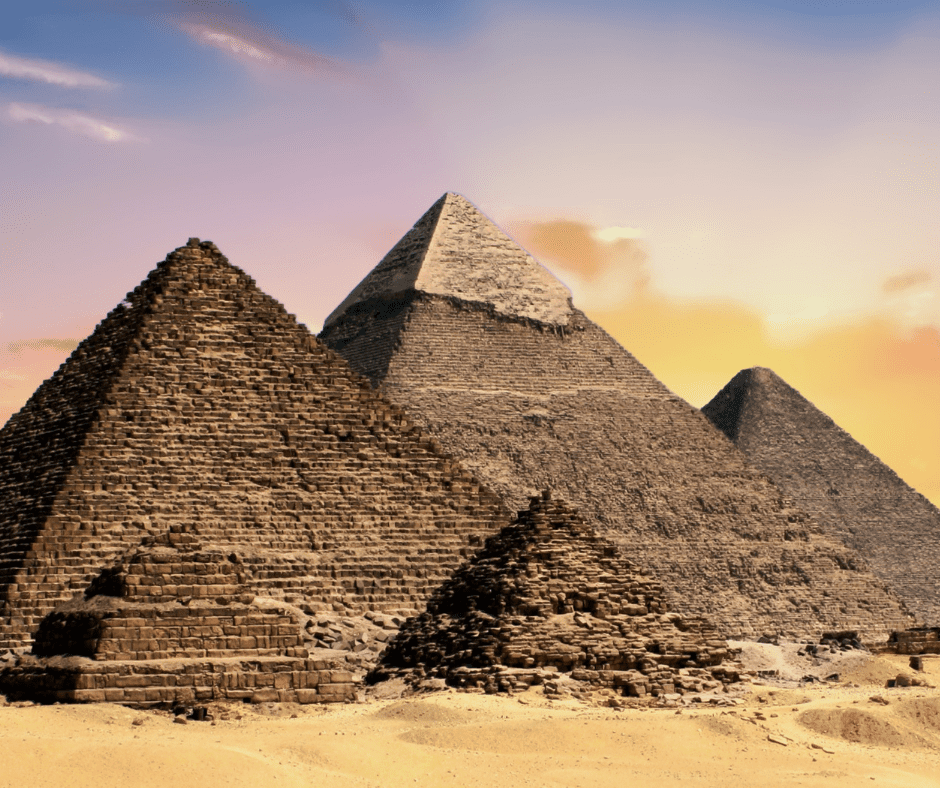
- Cairo – Giza Pyramids & Sphynx
- Abu Simbel – Temple of Abu Simbel
- Luxor – Valley of Kings- King Tut
- Karnak – Karnak Temple
- Aswan- Philae Temple
- Dendara – Zodiac Temple & Cleopatra
- Kom Ombo – Temple of Kom Ombo
Departure Schedule
Dec. 4 – Dec. 17, 2022
Jan. 14 – Jan. 27, 2023
Feb. 4 – Feb. 18, 2023
Mar. 4 – Mar. 18, 2023
Apr. 8 – Apr. 22, 2023

Location of the Month
King Tutankhamun Tomb
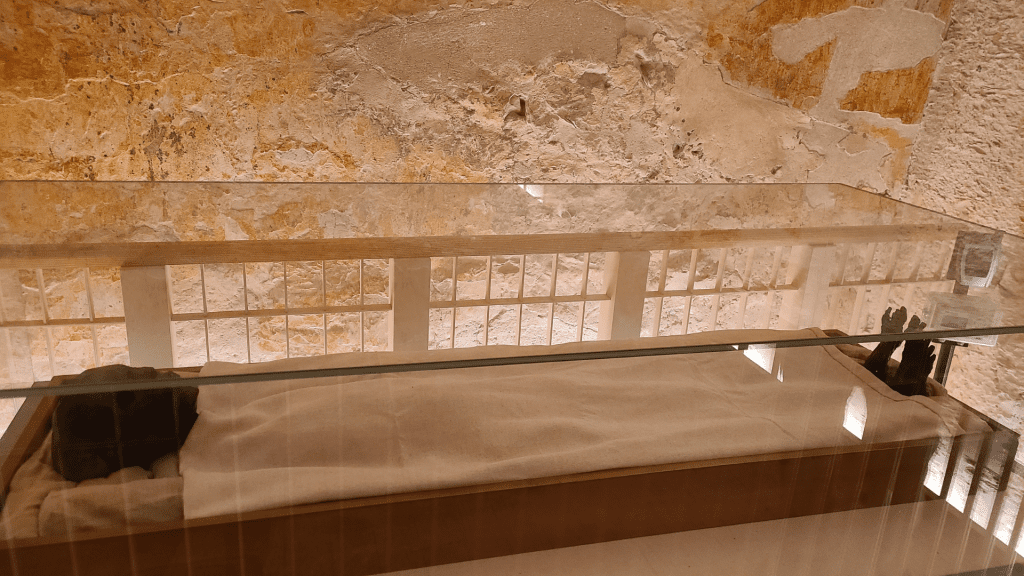
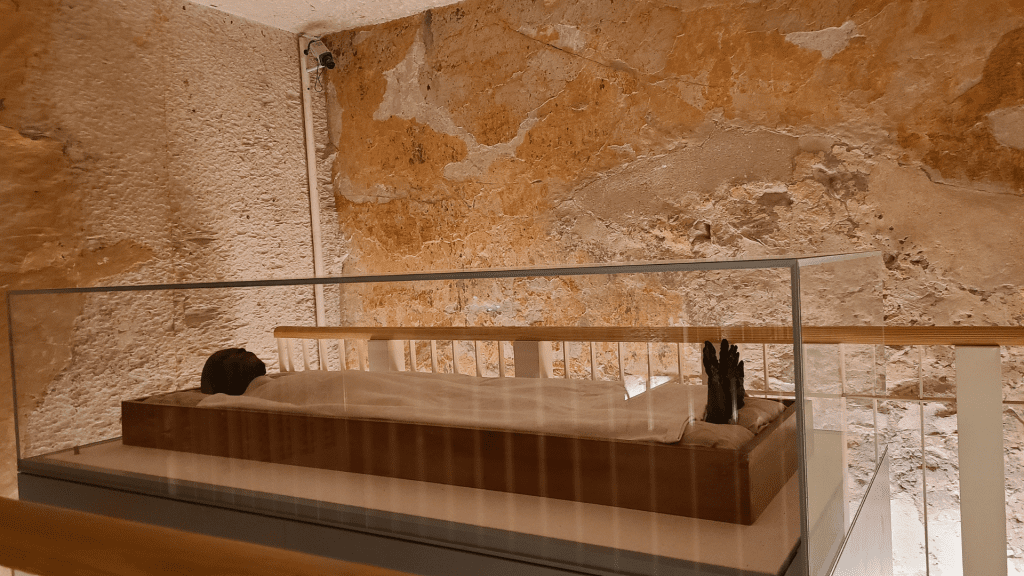
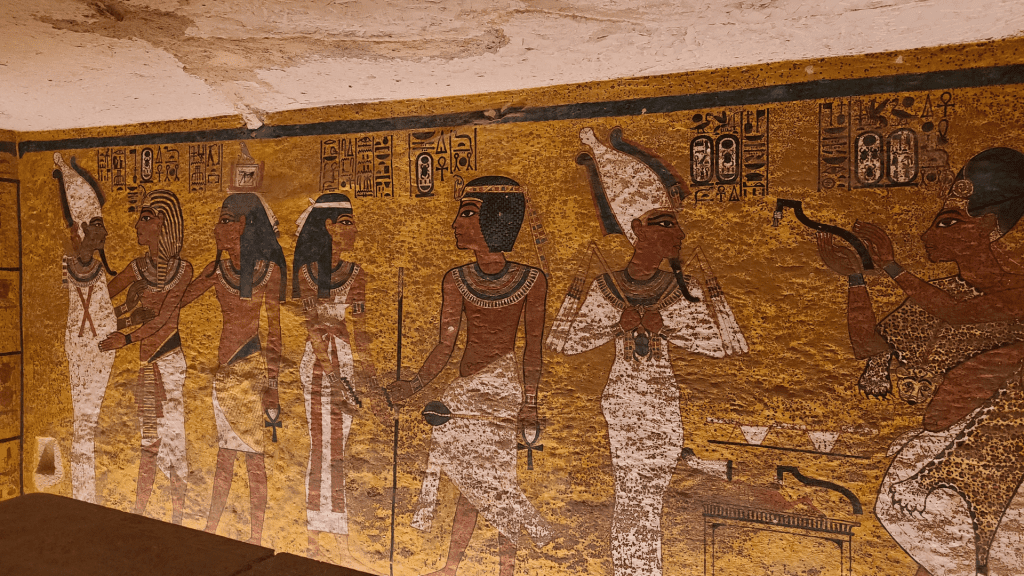
King Tutankhamun (Tutankhamen) or better known to the world as King Tut ruled Egypt as pharaoh for 10 years until his death at age 19, around 1324 B.C. King Tut is believed to be the son of Akhenaten, a controversial figure during the 18th dynasty of Egypt’s New Kingdom (c.1550-1295B.C.) After Akhenaten’s death, Tutankhamun, a nine-year-old prince became King and took the throne. Under King Tut’s reign he reversed what his father, Akhenaten-had done by reviving the worship of the god Amun and restoring Thebes as a religious center. King Tut ruled for 10 years and passed at the age of 19 years old. At one point it was believed that he had been assassinated but through much research of CT scans, DNA testing and many other forms of testing it has been discovered that his passing had much to do with possible infections due to his broken left leg which led to an early death. As most pharaohs during this time and according to the Egyptian religious traditions King Tutankhamun was mummified, which meant that royal bodies should be preserved and provisioned for the afterlife. In order to embalm his body, his organs had to be removed and his body was wrapped in resin-soaked bandages. There was a 24-pound gold portrait mask placed over his head and shoulders and laid in a series of nested containers-three gold coffins, 4 gilded wooden shrines and a granite sarcophagus. It is said that his tomb was packed from floor to ceiling with more than 5,000 artifacts, from walking sticks, chariots, clothes, gold, furniture and much more. It is also believed that shortly after his burial the entrance corridor had been looted, however the inner rooms had remained sealed until 1922. In November 1922 a British Archaeologist/Egyptologist Howard Carter discovered the intact tomb of King Tutankhamun. Carter saw the tomb’s hoard of treasure, intended to accompany the king into the afterlife and revealed an incredible amount about life in ancient Egypt, and made Tutankhamun the world’s most famous pharaoh. This month and year marks the 100 year anniversary of the tombs discovery.
Valley of the Kings is a site that you definitely DO NOT want to miss as the inside of each of these is truly amazing and one of the best places to see.
Sign up today as we are getting booked pretty quickly. Bring a friend and/or a loved one so that you may discover Egypt together and make unforgettable memories. There is still time to sign up for a trip during 2022!
Book Now: www.ancientnavigator.com
info@ancientnavigator.com
Word of the Month
Min Fadlak (m)
Min Fadlik (f)
Meaning:
Please
Monthly Weather
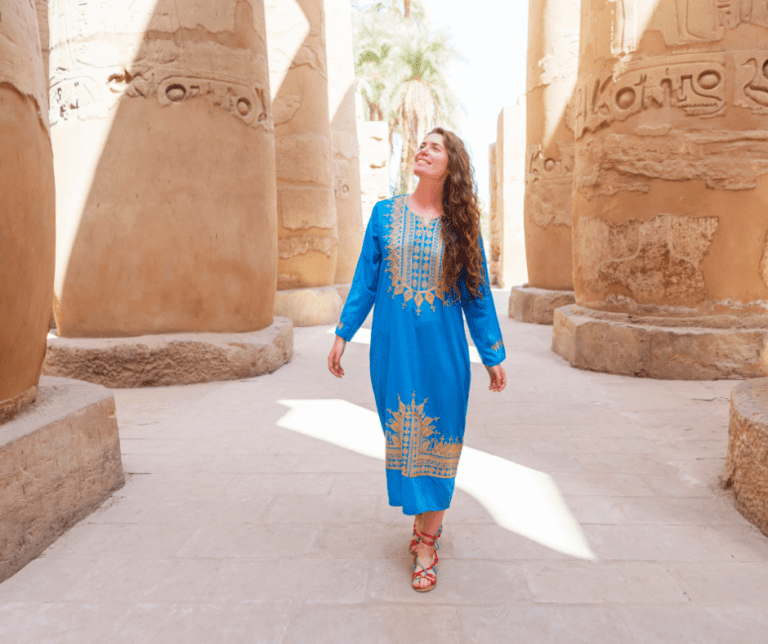
November weather in Egypt is an average temperature ranging between min 57.4°F (14.1°C) and max 76.6°F (24.8°C).
The weather is perfect for exploring all that Egypt has to offer, from its magical rich history to its delectable foods, warm drinks and its very warm and welcoming people.
Recipe of the Month
Kunafa
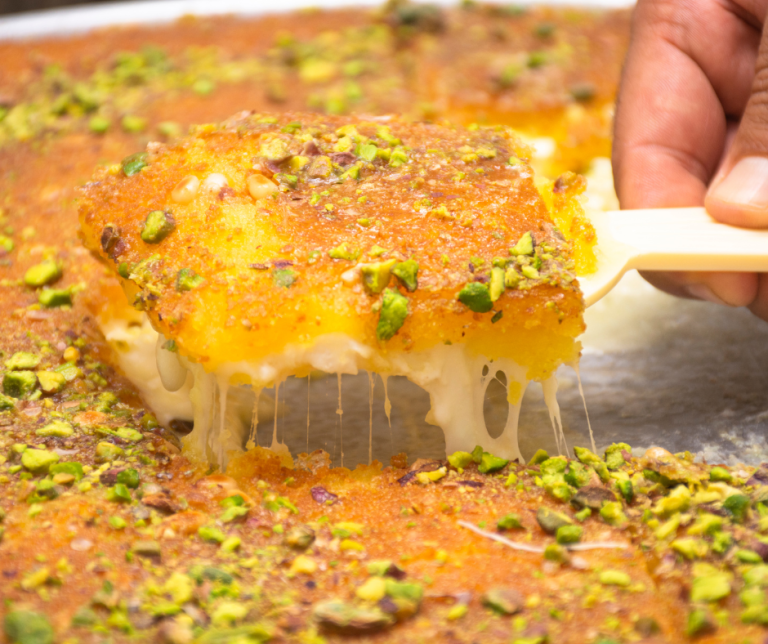
Kunafa is the ultimate Middle Eastern dessert. A luscious, crunchy, and buttery shredded fillo (phyllo) enclosing the creamiest silky milk pudding and drizzled with fragrant simple syrup. This recipe makes 15 pieces.
Ingredients:
For the syrup
• 2 cup granulated sugar.
• 1 1/4 cup water.
• 1/4 cup honey.
• 1 teaspoon lime juice.
For flavoring the syrup:
• 1 Tablespoon orange blossom water OR 1 Tablespoon rose water OR 1 teaspoon of vanilla extract. See Note 1
For the cream filling (Ashta):
• 2 cups whole fat milk.
• 3-4 Tablespoons corn starch. See Note 2
• 8 oz sweet cheese optional. See Note 2
For the Knafeh:
• 1 pound Knafeh See Note 3
• 1 cup ghee
•4 cups milk
• 1/2 cup granulated sugar 100g or to taste
• 6 Tablespoons cornstarch 60g
• 2 tsp vanilla extract
INSTRUCTIONS
Make the knafeh:
1. In a microwave-safe bowl or in a small saucepan melt ghee and let it cool so you can handle.
2. Take one half of the thawed knafeh and pulse in your food processor. Make sure not to turn it into powder.
3. Place shredded knafeh in a bowl and proceed with the other half.
4. Pour ¾ of the melted ghee over the knafeh and massage with your hands to spread the ghee evenly.
5. Preheat your oven to 350F.
6. Brush a 10” round pan with some of the melted ghee. See Note 5
7. Place half the knafeh on the pan pressing hard with another plate or a measuring cup to spread evenly along the bottom and the sides.
8. Pour the pudding mixture topping it with the grated cheese if using.
9. Spread the filling evenly leaving about half an inch from the sides.
10. Top with the remaining half of the knafeh, spread evenly pressing lightly with your fingertips.
11. Pour the remaining ghee evenly on top.
12. Bake in the middle rack for 30 minutes until sides turn brown then move it up to brown the top for 10 to 15 minutes.
13. Pour cooled syrup over while hot and let it rest for 10 minutes.
14. If you want, invert on a serving platter and garnish with crushed pistachios. See Note 6
NOTES
1. Flavoring the syrup is optional also the amount is optional, these are just my suggestions. More or less depending on your taste.
2. I’ve found that if you are using only milk pudding as a filling then it is better to make it thicker so use 4 tablespoons otherwise use 3 tablespoons.
3. Place the frozen Knafeh in the refrigerator the night before and let it thaw.
4. It might help if you make the syrup and the pudding the day before so you are not in a hurry to cool both down.
5. You may also use a 9.5” pie pan or a 13×9 pan. If you want to double the recipe for a crowd, use a half sheet pan like Nordic. I highly recommend it.
6. When inverting the knafeh sometimes some of the knafeh is stuck to the pan, do not worry. Scrape them out then place them back over your kunafa plate, no-one will ever notice anything.
7. I was asked if you can buy the phyllo dough and use a knife to finely shred them. Unfortunately, although Kunafa is called shredded phyllo dough, you cannot buy normal phyllo and shred them yourself. I will try to make the dough on the blog soon.
8. My mom always shredded her knafeh while it is frozen, this works great for many people. I have found that letting the knafeh thaw and using the food processor is easier.
9. It is common practice in the Levant area to color the knafeh. Knafeh coloring can be found in Middle Eastern stores. I did not grow up to a colored knafeh threads so this is up to you.
10. Make ahead tips: make the syrup and the milk pudding, let them cool down then refrigerate. Pudding can keep up in the fridge for 5 days and syrup for months. Just make sure to cover the pudding directly with plastic wrap so it will not develop a skin. Refrigerate until you are ready to use it.
11. Unbaked knafeh freezes very well- make it, freeze it then when you want to serve it, let it thaw and then proceed with the recipe.
12. Although kunafa is best when freshly baked, leftovers can stay in your fridge for the next day but you will notice that the pudding layer is being absorbed by the kunafa. Reheat in the oven and do not microwave.