



Volume 10, 2nd Edition
October, 2023
Home » Monthly Blog- The Compass » October Compass – Exploring the Mystical Wonders of Saqqara’s Serapeum


Tour Highlights
- Cairo | Giza Pyramids & Sphynx
- Abu Simbel | Temple of Ramessess II and Queen Nefertari
- Luxor | Valley of Kings- King Tut
- Karnak | Karnak Temple
- Aswan | Philae Temple
- Saqqara | Step Pyramid
- Kom Ombo | Temple of Kom Ombo
Table of Contents
Location of the Month
Exploring the Mystical Wonders of Saqqara's Serapeum
As the days grow shorter and the air takes on a crisp, autumnal edge, we find ourselves drawn to destinations that are steeped in history, wrapped in mystery, and imbued with a sense of awe. In this month’s edition of our travel newsletter, we take you on a captivating journey to the Serapeum of Saqqara, a place where time itself seems to stand still.

Saqqara: An Ancient Enigma
Located on the outskirts of Cairo, Egypt, Saqqara has long been a captivating destination for archaeology enthusiasts, history buffs, and travelers seeking to unearth the secrets of the past. While the iconic pyramids of Giza steal the spotlight, the Serapeum, nestled in Saqqara’s sprawling necropolis, is a hidden gem that holds its own unique allure.
The Enigmatic Serapeum
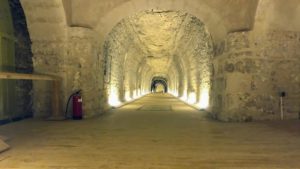
The Serapeum, also known as the Serapeum of Saqqara, is a subterranean complex that has puzzled archaeologists and historians for centuries. It consists of a series of deep underground tunnels, each lined with massive stone sarcophagi that once cradled the remains of ancient bulls. Yes, you read that correctly—bulls.

The Holy Bulls of Ancient Egypt
In ancient Egypt, the bull was considered a sacred animal, closely associated with the god Apis. The Apis bull, believed to be the earthly incarnation of the deity, was venerated and honored throughout Egyptian history. When these revered bulls died, they were buried in elaborate tombs, and the Serapeum is the most magnificent of them all.
Astonishing Engineering Feat
What makes the Serapeum truly remarkable is the sheer scale and precision of the construction. The sarcophagi, carved from single blocks of Aswan granite, weigh an astonishing 60 to 100 tons each. How the ancient Egyptians managed to transport and position these colossal stones with such precision remains a mystery to this day. The precision and craftsmanship on display here rival that of the more famous pyramids, and it is a testament to the advanced engineering skills of the ancient Egyptians.
Unlocking the Mystery
One of the most enduring mysteries surrounding the Serapeum is its purpose. Why were these magnificent bulls, which held such religious significance, buried in such an elaborate and seemingly secretive underground complex? Was it solely a place of burial, or did it serve a more profound ritualistic or religious function?
Visiting the Serapeum
Today, travelers have the opportunity to explore this enigmatic site and ponder these questions for themselves. A visit to the Serapeum is a journey into the heart of ancient Egypt, where the whispers of the past resonate through the stone-lined chambers.
When visiting the Serapeum, be sure to take your time, marvel at the incredible craftsmanship, and soak in the aura of mystery that surrounds this captivating place. Remember to check the latest travel advisories and restrictions before planning your trip, as the situation in Egypt may vary.

Upcoming Tour Dates
2026 Dates
Jan. 10, 2026 to Jan. 23, 2026
Jan. 31, 2026 to Feb. 13, 2026
Feb. 14, 2026 to Feb. 27, 2026
Feb. 28, 2026 to Mar. 13, 2026
Mar. 14, 2026 to Mar. 27, 2026
Apr. 4, 2026 to Apr. 17, 2026
Apr. 18, 2026 to May. 1, 2026
Sept. 12, 2026 to Sept. 25, 2026
Oct. 3, 2026 to Oct. 16, 2026
Oct. 17, 2026 to Oct. 30, 2026
Oct. 31, 2026 to Nov. 13, 2026
Nov. 14, 2026 to Nov. 27, 2026
Dec. 05. 2026 to Dec. 18, 2026
Jan. 10, 2026 to Jan. 23, 2026
Jan. 31, 2026 to Feb. 13, 2026
Feb. 14, 2026 to Feb. 27, 2026
Feb. 28, 2026 to Mar. 13, 2026
Mar. 14, 2026 to Mar. 27, 2026
Apr. 4, 2026 to Apr. 17, 2026
Apr. 18, 2026 to May. 1, 2026
Sept. 12, 2026 to Sept. 25, 2026
Oct. 3, 2026 to Oct. 16, 2026
Oct. 17, 2026 to Oct. 30, 2026
Oct. 31, 2026 to Nov. 13, 2026
Nov. 14, 2026 to Nov. 27, 2026
Dec. 05. 2026 to Dec. 18, 2026
Word of the Month
ما هذا؟ Ma Hatha?
What is this?
Monthly Weather
October is considered one of the best times to visit Egypt for tourists because of the comfortable temperatures and generally sunny weather. It’s ideal for exploring historical sites like the pyramids, temples, and tombs, as well as enjoying beach resorts along the Red Sea. However, it’s important to note that while these are typical conditions, weather can vary from year to year, so it’s advisable to check a reliable weather forecast closer to your travel dates for the most accurate information.
- Average High Temperature: 29-33°C (84-91°F)
- Average Low Temperature: 17-19°C (63-66°F)
- Rainfall: Very little to no rain
Bamya - Okra Stew
Bamya, also known as okra stew, is a delicious and hearty Egyptian dish that combines tender okra pods with tomatoes, garlic, and spices. It’s often served with rice or Egyptian bread.

Ingredients:
For the Stew:
- 500g (about 1 pound) fresh okra pods, washed and trimmed
- 2 tablespoons vegetable oil
- 1 medium onion, finely chopped
- 3 cloves garlic, minced
- 2 large tomatoes, diced
- 1 teaspoon ground coriander
- 1 teaspoon ground cumin
- 1 teaspoon paprika
- 1/2 teaspoon cayenne pepper (adjust to taste)
- Salt and black pepper to taste
- 2 cups water
- Juice of 1 lemon
For Serving (optional):
- Cooked rice or Egyptian bread
Instructions:
Prepare the Okra:
- Trim the tops and tails of the okra pods and cut them into 1-inch pieces. You can leave them whole if they are small.
Saute the Onions and Garlic:
- Heat the vegetable oil in a large, deep skillet or pot over medium heat.
- Add the chopped onion and minced garlic. Sauté until they become translucent and fragrant, about 3-4 minutes.
Add Tomatoes and Spices:
- Add the diced tomatoes to the skillet and cook for another 2-3 minutes until they start to soften.
- Stir in the ground coriander, ground cumin, paprika, cayenne pepper, salt, and black pepper. Cook for an additional 2 minutes to allow the spices to bloom and mix with the tomatoes.
Add Okra and Water:
- Add the prepared okra pieces to the skillet and stir well to coat them with the tomato and spice mixture.
- Pour in the 2 cups of water, and give everything a gentle stir.
Simmer and Cook:
- Cover the skillet or pot and reduce the heat to low. Let the stew simmer for about 20-25 minutes, or until the okra is tender and the stew has thickened slightly. Stir occasionally.
Adjust Seasoning and Add Lemon Juice:
- Taste the stew and adjust the seasoning with more salt, pepper, or cayenne if needed.
- Squeeze the juice of one lemon over the stew and stir to incorporate. The lemon adds a bright and tangy flavor to the dish.
Serve:
- Once the okra is tender, and the flavors have melded together, the bamya is ready to serve.
- Serve hot, either over cooked rice or with pieces of Egyptian bread on the side.
Enjoy your homemade Egyptian bamya, a flavorful and comforting dish that’s perfect for any season!