
Home » Weekly Blog » The Nile: The Lifeblood of Ancient and Modern Egypt
The Nile: The Lifeblood of Ancient and Modern Egypt
Table of Contents
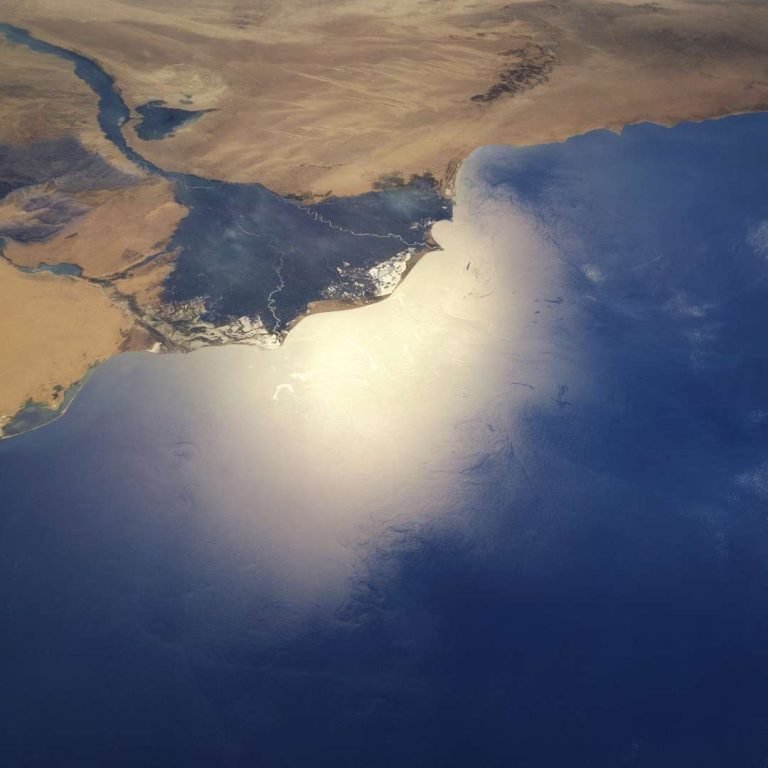
Stretching across a vast expanse of northeastern Africa, the Nile River is not merely the longest river in the world, but a timeless force that has sculpted the destinies of civilizations. For millennia, its waters have carved a path through the sands of time, nurturing the growth of one of humanity’s greatest cultures: Egypt. From the mighty pharaohs of the past to the bustling metropolises of today, the Nile has been, and continues to be, the beating heart of Egyptian life. It is more than just a river; it is a symbol of survival, prosperity, and continuity—a lifeline that connects the ancient and modern worlds.
In this blog post, we will embark on a journey along the Nile, exploring its profound influence on both ancient and contemporary Egypt. We will delve into the river’s pivotal role in shaping the nation’s history, culture, and economy, while also addressing the modern challenges that threaten its future. By the end of this journey, you will see why the Nile is more than just a body of water; it is the lifeblood of a nation, a thread that weaves together the rich tapestry of Egypt’s past, present, and future.
The Nile in Ancient Egypt
Geographic Importance: A Gift of the Gods
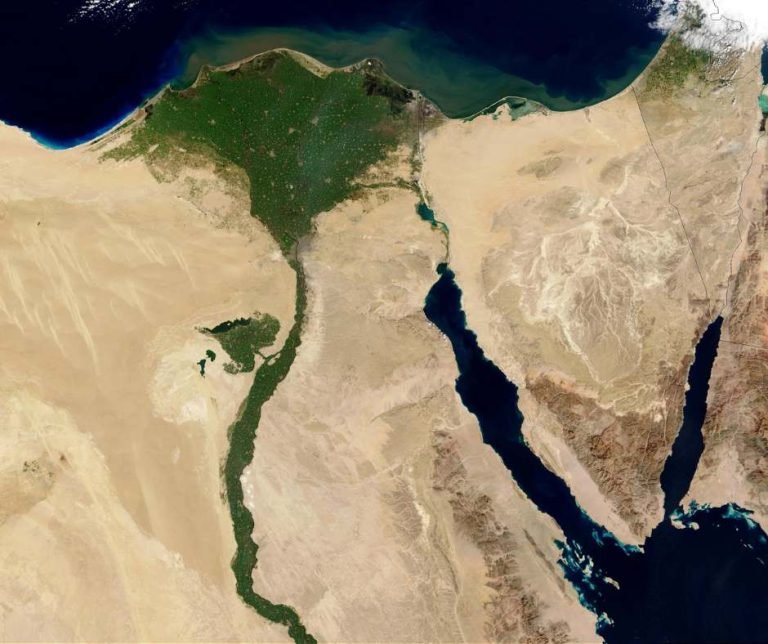
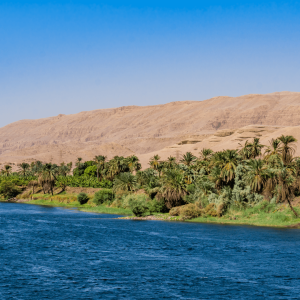
In ancient times, the Nile was more than just a source of water; it was the very foundation upon which Egyptian civilization was built. Flowing northward through the harsh deserts, the river brought life to an otherwise inhospitable land. Its annual inundation, known as the Akhet, deposited rich, black silt along its banks, transforming the arid landscape into a lush, fertile strip of land. This narrow ribbon of green, flanked by the barren sands of the Sahara, was the heartland of ancient Egypt.
The ancient Egyptians understood the importance of this natural phenomenon. They referred to their land as “Kemet,” meaning “the Black Land,” in reference to the fertile soil left behind by the floodwaters. In contrast, the desert was known as “Deshret,” or “the Red Land,” a place of chaos and desolation. The stark contrast between these two worlds shaped not only the geography but also the worldview of the Egyptians, who saw the Nile as a divine gift, a symbol of order amidst the chaos.
Cultural and Religious Significance: The Sacred River
The Nile was not merely a physical presence in ancient Egypt; it was a spiritual one as well. The river was believed to be a manifestation of the gods, a source of life and renewal. Hapi, the god of the Nile, was worshipped as the bringer of fertility and abundance. He was often depicted as a pot-bellied figure, his body colored blue or green, symbolizing the life-giving waters of the river.
The Nile also played a crucial role in the Egyptian understanding of the afterlife. The journey of the soul was often likened to a voyage along the river, with the deceased traveling through the underworld much like a boat sailing the Nile’s currents. The west bank of the Nile, where the sun set, was considered the realm of the dead, and it was here that the great necropolises of Thebes and Memphis were established. The river, in this sense, was not just a source of physical sustenance but a spiritual pathway, connecting the world of the living with the world of the dead.
Economic Backbone: The Engine of Prosperity
The Nile was the lifeblood of the ancient Egyptian economy. Its predictable flooding allowed for the development of a sophisticated agricultural system that supported one of the most advanced civilizations of the ancient world. Crops such as wheat, barley, and flax were cultivated in abundance, providing food, clothing, and trade goods. The surplus generated by this agricultural bounty enabled the Egyptians to build monumental structures, support a complex bureaucracy, and maintain a standing army.
Trade and transportation were also heavily dependent on the Nile. The river served as a natural highway, facilitating the movement of goods and people. Boats laden with grain, stone, and other commodities traveled up and down its length, connecting distant regions of the kingdom. This internal trade network was complemented by external trade routes that extended to the Levant, Nubia, and beyond, making Egypt a hub of commerce and culture in the ancient world.
Urbanization and Architecture: Cities of the Nile
The geography of the Nile dictated the development of ancient Egyptian cities. Settlements sprang up along its banks, clustered around the fertile floodplains and key strategic locations. Memphis, the ancient capital of the Old Kingdom, was situated near the river’s delta, serving as a gateway between Upper and Lower Egypt. Thebes, in the south, became the religious and cultural center of the New Kingdom, home to the magnificent temples of Karnak and Luxor.
The proximity of these cities to the Nile not only facilitated trade and communication but also influenced their architecture. The great pyramids of Giza, the tombs of the Valley of the Kings, and the colossal statues of Abu Simbel—all were built close to the river, their stone blocks transported by boat from distant quarries. The alignment of these structures with the river and the stars reflected the Egyptians’ belief in the interconnectedness of the heavens, the earth, and the waters of the Nile.
The Nile’s Role in Modern Egypt
Agriculture and Food Production: Feeding a Nation
In modern times, the Nile continues to be the lifeline of Egyptian agriculture. The Nile Delta, with its rich alluvial soil, is one of the most fertile regions in the world. It produces a significant portion of Egypt’s food, including staple crops such as wheat, rice, and cotton. The river’s water is also crucial for the irrigation of the vast agricultural lands in the Nile Valley, supporting millions of livelihoods.
However, modern agriculture faces significant challenges. The construction of the Aswan High Dam in the 1960s, while providing benefits such as flood control and hydroelectric power, has also altered the natural flooding cycle of the Nile. Without the annual deposits of silt, farmers have had to rely on chemical fertilizers to maintain soil fertility. Additionally, the growing population and increasing demand for water have led to concerns about water scarcity and the sustainability of current agricultural practices.
Energy Production: Powering a Nation
The Aswan High Dam, one of the most ambitious engineering projects of the 20th century, transformed the Nile’s role in the Egyptian economy. Completed in 1970, the dam created Lake Nasser, one of the largest man-made reservoirs in the world. It provides a steady supply of water for irrigation and generates hydroelectric power, contributing significantly to Egypt’s energy needs.
However, the dam has also had unintended consequences. The alteration of the river’s flow has affected the downstream ecosystem, leading to problems such as reduced fish stocks and erosion of the Nile Delta. The dam has also displaced tens of thousands of people, including the Nubian communities who lived in the area that is now submerged under Lake Nasser. Balancing the benefits of the dam with its social and environmental costs remains a challenge for modern Egypt.
Transportation and Commerce: The Lifeline of Trade
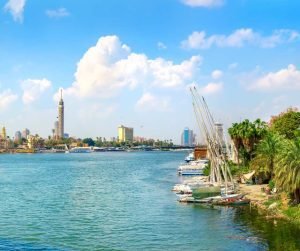
In addition to its role in agriculture and energy, the Nile remains a vital artery for transportation and commerce. Cargo ships, ferries, and tourist boats ply its waters, connecting towns and cities along its length. The river is particularly important for the transportation of goods such as cement, fertilizers, and agricultural produce, reducing the burden on Egypt’s road and rail networks.
Tourism, too, is a significant part of the modern Nile economy. Cruises along the river, from Luxor to Aswan, offer visitors a chance to experience the grandeur of ancient Egypt, visiting iconic sites such as the temples of Karnak, Edfu, and Philae. The income generated by this tourism is vital for local communities and the national economy, highlighting the continuing importance of the Nile as both a source of sustenance and a symbol of Egypt’s heritage.
Environmental Concerns: A River Under Threat
Despite its enduring importance, the Nile is under threat from a range of environmental pressures. Pollution from agricultural runoff, industrial waste, and untreated sewage has degraded water quality, posing risks to both human health and the ecosystem. In recent years, reduced rainfall and upstream water usage have led to concerns about declining water levels, which could have severe implications for agriculture, drinking water supplies, and the overall health of the river.
One of the most significant challenges is the Grand Ethiopian Renaissance Dam (GERD), currently under construction on the Blue Nile, a major tributary of the Nile. The dam, which promises to be the largest hydroelectric power plant in Africa, has raised fears in Egypt about reduced water flow and its impact on the country’s water security. The dispute over the dam highlights the complex geopolitical issues surrounding the Nile, as multiple countries vie for control over its precious waters.
Challenges Facing the Nile Today
Population Growth and Water Scarcity: A Growing Crisis
Egypt’s population, currently over 100 million, is projected to continue growing rapidly in the coming decades. This population boom places enormous pressure on the Nile’s finite resources. Per capita water availability is already below the United Nations’ water scarcity threshold, and the situation is likely to worsen as demand for water increases.
The Egyptian government has implemented a range of measures to address water scarcity, including improvements in irrigation efficiency, investment in water desalination plants, and the development of wastewater treatment facilities. However, these efforts must be scaled up significantly to meet the needs of a growing population and to ensure the sustainable use of the Nile’s resources.
Climate Change: An Uncertain Future
Climate change poses another significant threat to the Nile and the people who depend on it. Rising temperatures, changing precipitation patterns, and increased evaporation rates could disrupt the river’s flow, affecting water availability and agricultural productivity. The Nile Delta, which is home to nearly half of Egypt’s population, is particularly vulnerable to the effects of sea-level rise, which could lead to saltwater intrusion and the loss of fertile land.
Addressing the impacts of climate change will require a multifaceted approach, including investments in climate-resilient infrastructure, improved water management practices, and regional cooperation to ensure that the benefits of the Nile are shared equitably among all the countries that depend on its waters.
Regional Water Conflicts: Navigating a Complex Landscape
The Nile is a shared resource, with its basin spanning 11 countries, including Ethiopia, Sudan, and Uganda. This has led to complex and often contentious negotiations over water rights and usage. The GERD is the most prominent example of these tensions, but it is not the only one. As demand for water increases throughout the region, the potential for conflict grows.
Egypt has historically been the dominant power in the Nile Basin, but the balance of power is shifting. To avoid future conflicts, it is essential for all the countries in the region to engage in dialogue and cooperation, finding solutions that address the needs of all stakeholders while ensuring the sustainable management of the Nile’s resources.
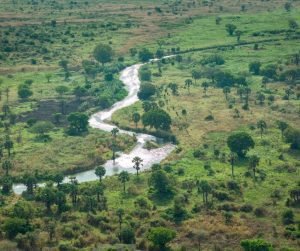
The Future of the Nile in Egypt
Sustainable Water Management: A Path Forward
Ensuring the future of the Nile will require a comprehensive approach to water management that balances the needs of agriculture, industry, and communities with the health of the river itself. The Egyptian government has made water security a national priority, investing in projects such as the expansion of irrigation networks, the development of desalination plants, and the construction of new reservoirs.
Public awareness and community involvement are also crucial. Efforts to promote water conservation, reduce pollution, and protect wetlands and other sensitive areas can help to preserve the Nile for future generations. International cooperation and support will be essential in achieving these goals, as will the sharing of best practices and technological innovations from around the world.
Technological Innovations: Harnessing the Power of Innovation
Technology will play a key role in addressing the challenges facing the Nile. Advances in precision agriculture, such as the use of drones and satellite imagery to monitor crop health and optimize irrigation, can help to improve water use efficiency. Similarly, the development of new desalination technologies and the use of renewable energy sources for water treatment can reduce the strain on the Nile’s resources.
Egypt is also exploring the use of digital platforms to improve water management, such as real-time monitoring of water quality and usage. By embracing these innovations, Egypt can build a more resilient and sustainable water system, capable of meeting the needs of its growing population while preserving the health of the Nile.
Diplomatic Solutions: Building Bridges Across Borders
The future of the Nile cannot be secured by Egypt alone. Regional cooperation is essential to managing the river’s resources in a way that benefits all the countries in the Nile Basin. This will require not only technical solutions but also diplomatic ones, as countries work to build trust and develop agreements that balance their competing interests.
The Nile Basin Initiative, a regional partnership of Nile Basin countries, provides a framework for such cooperation, but more work is needed to turn agreements into action. Egypt’s role in these negotiations will be crucial, as it seeks to protect its own interests while recognizing the legitimate needs and aspirations of its neighbors.
Conclusion
The Nile has been Egypt’s lifeblood for thousands of years, sustaining its people, shaping its culture, and defining its history. From the grandeur of the ancient pyramids to the bustling cities of today, the river has been a constant, unifying force, a symbol of life and renewal.
But the challenges facing the Nile are formidable. Population growth, environmental degradation, climate change, and regional conflicts all threaten the future of this vital resource. Ensuring that the Nile continues to sustain Egypt—and the other countries of the Nile Basin—will require a concerted effort, combining innovative technologies, sustainable management practices, and a commitment to regional cooperation.
As we look to the future, we must remember that the Nile is more than just a river. It is a shared heritage, a source of life and inspiration, and a symbol of the enduring connection between people and nature. By working together to protect and preserve this precious resource, we can ensure that the Nile continues to flow as a lifeblood for generations to come.
Share this with your friends
Additional Blog Posts
Past Blog Posts
Planning a Trip to Egypt? Here’s How Long You Need
Think you can “do” Egypt in 3 days? Think again. From ancient tombs to Nile-side secrets, this guide reveals why the magic of Egypt demands more than a layover—and shows you exactly how many days you really need to make it unforgettable. Don’t book that flight until you read this.
How Far Does $100 Go in Egypt?
Think $100 won’t get you far? In Egypt, it’s a game-changer. From luxury hotels to mouthwatering meals and ancient wonders, see how far your dollar really goes. This guide breaks down real costs, insider tips, and jaw-dropping experiences you can afford—without breaking the bank.
Private Egyptologist Tours: Unlock Egypt’s Hidden Secrets in Luxury
Step beyond the velvet ropes of Egypt’s most iconic sites. With a private Egyptologist as your guide, you’ll uncover hidden chambers, untold stories, and experience ancient wonders far from the tourist crowds. This is discovery at its most exclusive—where history meets luxury.