
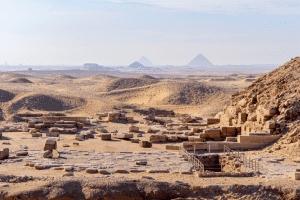

The Serapeum of Saqqara: Uncovering the Secrets of Ancient Egypt’s Most Mysterious Site

Table of Contents

Introduction

The Serapeum of Saqqara is one of the most fascinating and mysterious sites in ancient Egypt. Located in the necropolis of Saqqara, just outside of Cairo, the Serapeum is an underground complex of tombs and burial chambers that was dedicated to the worship of the Apis bull, a sacred animal in ancient Egyptian religion. In this blog post, we’ll explore the history, architecture, and significance of the Serapeum, and discuss its ongoing importance as a major tourist attraction and archaeological site.

History of the Serapeum of Saqqara

The Serapeum of Saqqara dates back to the time of the New Kingdom, which lasted from the 16th century BC to the 11th century BC. It was built during the reign of Pharaoh Amenhotep III, who ruled from 1390 BC to 1352 BC. The Serapeum was dedicated to the worship of the Apis bull, a sacred animal that was believed to be an incarnation of the god Ptah. The Apis bull was considered to be a living god, and was worshipped by the ancient Egyptians for its strength, fertility, and regenerative powers.

The Apis bull was housed in the Serapeum, which was a complex of underground tombs and burial chambers. The Apis bull was mummified and buried in a large stone sarcophagus, which was then placed in one of the tombs or burial chambers. The Serapeum was a highly respected and sacred site, and was visited by many people from all over ancient Egypt.


Architecture and Design of the Serapeum

The Serapeum was a marvel of ancient Egyptian architecture and design. The complex consisted of a series of underground tombs and burial chambers, which were carved out of solid limestone bedrock. The tombs and burial chambers were arranged in a series of galleries, which were connected by long corridors and tunnels.

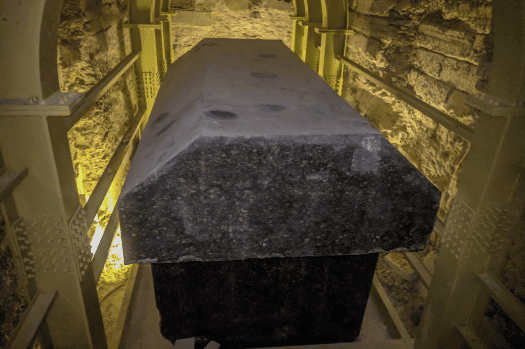
The main feature of the Serapeum was the large stone sarcophagi that were used to house the mummified Apis bulls. These sarcophagi were made of solid granite, and weighed between 60 and 80 tons each. The sarcophagi were so large and heavy that it would have taken hundreds of workers to move them into place.

Discovery and Excavation of the Serapeum

The Serapeum was discovered by French archaeologist Auguste Mariette in 1850. Mariette was searching for the tomb of the pharaoh Apis, and stumbled upon the Serapeum by accident. He found a narrow opening in the ground, which led to a series of underground chambers and corridors. Mariette was amazed by what he found, and spent the next several years excavating the site.

The excavation of the Serapeum was a massive undertaking, and was carried out with great care and precision. The workers who excavated the site had to be extremely careful not to damage the fragile sarcophagi, which were made of solid granite. The sarcophagi were carefully lifted out of the tombs and burial chambers using ropes and pulleys, and were transported to the surface using a specially designed rail system.

Significance of the Serapeum Today

Today, the Serapeum of Saqqara is a major tourist attraction and archaeological site. Visitors can explore the underground tombs and burial chambers, and see the massive stone sarcophagi that were used to house the mummified Apis bulls. The Serapeum is a fascinating glimpse into the ancient Egyptian religion and culture, and has been the subject of much study and research by archaeologists and historians.

The discovery of the Serapeum has also shed light on the ancient Egyptian practice of animal worship. The Apis bull was not the only animal that was worshipped by the ancient Egyptians; they also worshipped other animals such as cats, dogs, and crocodiles. The worship of animals played a significant role in ancient Egyptian religion, and was believed to bring good fortune and protection to the people who worshipped them.

In addition to its archaeological and historical significance, the Serapeum is also an important cultural site. It has been the subject of numerous books, films, and documentaries, and has inspired artists and writers for centuries. Its mysterious and awe-inspiring architecture and design continue to capture the imagination of people from all over the world.

Conclusion

The Serapeum of Saqqara is a testament to the ingenuity and creativity of the ancient Egyptians. Its massive stone sarcophagi and intricate underground tombs and burial chambers continue to captivate visitors from all over the world, and provide a glimpse into the rich and fascinating history of ancient Egypt. As we continue to learn more about this amazing site, we can gain a greater appreciation for the ancient Egyptians and their enduring legacy.

Share this with your friends
See these amazing sites in person with Ancient Navigator
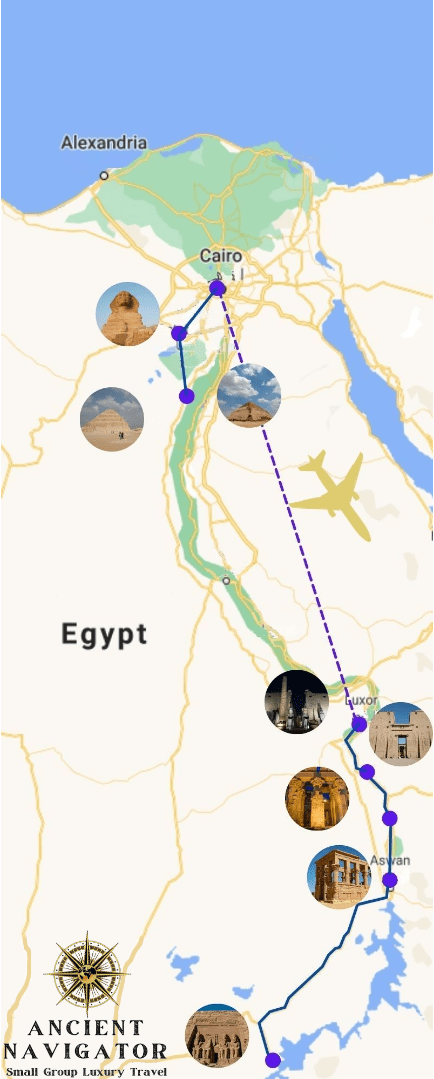
Map of Egypt with highlight photos of the major touring sites for Ancient Navigator

Planning a Trip to Egypt? Here’s How Long You Need

Think you can “do” Egypt in 3 days? Think again. From ancient tombs to Nile-side secrets, this guide reveals why the magic of Egypt demands more than a layover—and shows you exactly how many days you really need to make it unforgettable. Don’t book that flight until you read this.

How Far Does $100 Go in Egypt?

Think $100 won’t get you far? In Egypt, it’s a game-changer. From luxury hotels to mouthwatering meals and ancient wonders, see how far your dollar really goes. This guide breaks down real costs, insider tips, and jaw-dropping experiences you can afford—without breaking the bank.

Discover the World with Ancient Navigator

Sign up to hear about our upcoming adventures, monthly newsletter, exclusive offers, and more!

Required*

Not Ready to book?

Join our Email List

Get regular updates on upcoming tour and special promotions.

Before you Go

Sign up for our Mailing List to get updates on our current offerings.