

Home » Weekly Blog » Top Handmade Souvenirs to Buy in Egypt
Egypt is a land where history whispers through every stone, where ancient temples stand as silent witnesses to a civilization that shaped the very course of human history. The allure of Egypt is undeniable, drawing travelers from across the globe to its sands, seeking to unravel the mysteries of the Pharaohs, gaze upon the mighty pyramids, and sail along the life-giving Nile. But as much as Egypt is known for its monumental wonders, it is also a country where ancient traditions and craftsmanship are still very much alive, offering visitors the chance to take home more than just memories.In a world that is increasingly driven by mass production and fleeting trends, Egypt stands as a testament to the enduring beauty of handmade crafts. These are not mere trinkets or souvenirs but tangible pieces of history, crafted by skilled artisans who have inherited techniques passed down through generations. Each item tells a story—a story of the land, the people, and the timeless traditions that continue to thrive in the heart of this ancient civilization.
As you wander through the bustling markets and narrow streets of Egypt, you’ll find yourself captivated by the array of handcrafted treasures on display. From the smooth, cool alabaster carved with the same precision used by ancient sculptors, to the intricate patterns woven into Egyptian carpets that echo the designs found in the tombs of the Pharaohs, to the delicate papyrus that once bore the writings of kings and priests—each piece is a reflection of Egypt’s rich heritage.
But finding these authentic pieces isn’t always easy. The rise of tourism has led to an influx of mass-produced items, often sold as “authentic” but lacking the soul and quality of true Egyptian craftsmanship. This is where Ancient Navigator comes in—a guiding light for those who wish to experience the genuine artistry of Egypt. We believe that the journey to discover Egypt’s treasures shouldn’t end at the museum door but should extend into the workshops and homes of the artisans who keep these traditions alive.
At Ancient Navigator, we take pride in curating experiences that go beyond the typical tourist routes. Our tours are designed to immerse you in the local culture, offering you the chance to meet the craftsmen and women who pour their heart and soul into their work. We take our guests to hidden gems—local establishments where you can watch the creation process firsthand, ask questions, and even try your hand at the ancient techniques.
In this blog post, we will guide you through some of the most iconic handmade souvenirs you can buy in Egypt. From alabaster sculptures to Egyptian carpets, and the timeless art of papyrus, we will explore the history, craftsmanship, and cultural significance of each. Whether you’re a seasoned traveler or planning your first trip to Egypt, this guide will not only help you choose the perfect keepsake but also enrich your understanding of the culture that created it.
So, let’s begin our journey through the bustling markets, workshops, and homes of Egypt’s finest artisans. Discover the stories behind the crafts, learn how to spot the real treasures, and prepare to bring a piece of Egypt’s soul back home with you.
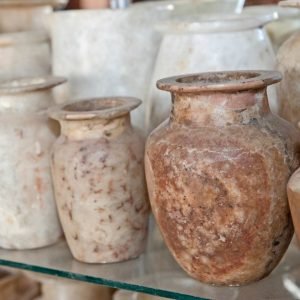
In the heart of ancient Egypt, alabaster was a prized material, revered for its translucent beauty and the sense of permanence it imparted to the objects it became. Used extensively in temples, tombs, and palaces, alabaster was the medium through which the ancient Egyptians connected with the divine and commemorated their dead. Today, this stone continues to be a symbol of Egypt’s enduring artistry, with modern craftsmen upholding the traditions that their ancestors perfected thousands of years ago.
Alabaster is a form of calcite, known for its soft, smooth texture and its unique ability to diffuse light. This characteristic made it the ideal material for creating objects of spiritual significance in ancient Egypt. The Egyptians believed that alabaster’s luminosity had a divine quality, which is why it was often used to craft sacred vessels, statues of gods and goddesses, and even sarcophagi for the pharaohs.
The alabaster quarries of ancient Egypt, particularly those in the region of Luxor, have been active for millennia. It was here, in the shadow of the Valley of the Kings, that artisans carved magnificent objects that have withstood the test of time. The stone’s inherent beauty lies in its warm, milky tones, which range from white to a rich, honey-like amber. When polished, alabaster takes on a mesmerizing sheen, and when carved thinly, it allows light to pass through, giving it an almost ethereal glow.
In modern Egypt, alabaster continues to be a popular material for creating decorative and functional items. From vases and bowls to candle holders and statues, these objects not only serve as beautiful souvenirs but also as connections to the ancient past. Each piece of alabaster tells a story—a story of the land from which it was hewn, the hands that shaped it, and the culture that imbues it with meaning.
While alabaster items are widely available in markets and shops throughout Egypt, the most rewarding experience comes from visiting the workshops where these pieces are created. Ancient Navigator offers exclusive visits to some of the finest alabaster workshops in Luxor and Aswan, allowing our guests to witness the craftsmanship up close.
In these workshops, you’ll step into a world where tradition and artistry converge. The air is filled with the sound of chisels tapping against stone, and the sight of master artisans shaping alabaster with practiced precision is nothing short of mesmerizing. These craftsmen are often the descendants of families who have worked with alabaster for generations, and their skills are a testament to the longevity of this ancient art form.
During your visit, you’ll have the opportunity to see the entire process, from selecting the raw stone to the final polish. The artisans will explain how they choose the perfect piece of alabaster based on its color and texture, and how they meticulously carve and hollow it out using traditional tools. The process is labor-intensive, requiring patience and an intimate knowledge of the stone, but the result is always a piece that is as much a work of art as it is a functional object.
In addition to observing the craftsmanship, these workshops offer a unique opportunity to purchase alabaster items directly from the artisans. This not only ensures that you are getting an authentic piece, but also supports the local economy and helps preserve these ancient traditions. You’ll find a variety of items available, from small trinkets to larger, more elaborate pieces, each one bearing the unique signature of the artisan who created it.
When purchasing alabaster in Egypt, it’s important to know how to distinguish between authentic alabaster and the imitations that are commonly sold in tourist areas. True Egyptian alabaster is relatively soft, and when held up to the light, it should exhibit a translucent quality. If the item is overly glossy or feels particularly heavy, it may be made from a different material, such as marble or resin, which are often used to mimic alabaster.
One of the simplest tests you can perform is to hold the alabaster up to a light source. Genuine alabaster will allow light to pass through, revealing its natural veining and internal structure. Additionally, the stone should feel cool to the touch, a characteristic that is lost in imitations. Authentic alabaster often has slight imperfections and variations in color, which add to its charm and uniqueness. These natural variations are a hallmark of genuine craftsmanship, as opposed to the uniformity often seen in mass-produced items.
Supporting local artisans by purchasing directly from workshops not only guarantees authenticity but also helps sustain the livelihoods of those who continue to practice this ancient craft. When you bring home a piece of Egyptian alabaster, you’re not just acquiring a beautiful object—you’re carrying a piece of history, a fragment of the culture that shaped one of the greatest civilizations the world has ever known.
With alabaster, you hold in your hands a material that has been shaped by both nature and human creativity over millennia. It is a tangible connection to the past, a reminder of the eternal beauty that lies within the heart of Egypt. As we continue our journey through Egypt’s artisanal treasures, we next turn our attention to a craft that weaves stories into its very fabric—Egyptian carpets.
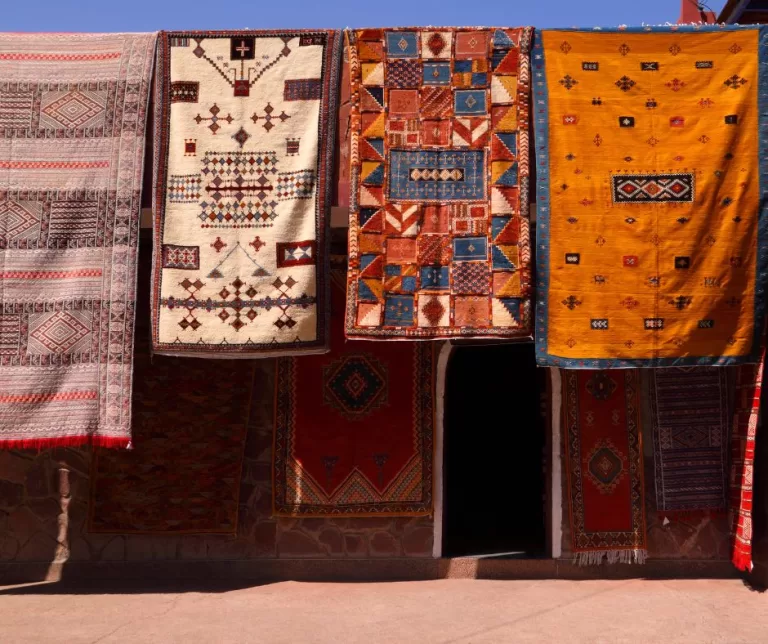
The history of Egypt is woven into the very fabric of its carpets—textiles that not only adorn homes but also tell stories of culture, tradition, and artistic evolution. Just as the ancient Egyptians inscribed their history onto temple walls and papyrus scrolls, modern Egyptian artisans weave their heritage into the vibrant threads of their carpets. These carpets, whether displayed as tapestries or spread across floors, are more than just decorative items; they are works of art, each one a reflection of the region’s rich history and the skill of its creators.
Egyptian carpet weaving is a tradition that dates back thousands of years, with roots in the Pharaonic era. However, it was during the Islamic period that carpet weaving truly flourished, as new techniques and styles were introduced and refined. Egyptian carpets are renowned for their intricate designs, vivid colors, and the quality of their craftsmanship. Unlike the more geometric patterns found in Persian carpets, Egyptian carpets often feature a harmonious blend of floral motifs, arabesques, and other artistic elements that reflect the cultural diversity of the region.
The craft of carpet weaving in Egypt is centered in several key areas, with Cairo, Faiyum, and the towns around the Nile Delta being particularly famous for their production. These regions are home to small, family-run workshops and larger cooperative schools where the art of carpet weaving is taught and preserved. Each carpet is painstakingly handwoven, with some taking months or even years to complete, depending on the complexity of the design and the size of the piece.
Egyptian carpets are typically made from high-quality materials such as wool, silk, or a blend of both, which gives them their durability and luxurious feel. The dyes used are often derived from natural sources, resulting in a rich palette of colors that can range from deep reds and blues to softer, more muted tones. These carpets are known for their density, with a high number of knots per square inch, which not only enhances their durability but also allows for greater detail in the designs.
One of the most distinctive types of Egyptian carpets is the Kilim, a flatwoven textile that is both lightweight and versatile. Kilims are often used as rugs, wall hangings, or even bed covers, and their geometric patterns make them a popular choice for modern interiors. Another type of carpet that has gained international recognition is the hand-knotted Egyptian carpet, which can feature intricate floral patterns, medallions, or scenes from daily life. These carpets are highly prized by collectors and interior designers alike for their beauty and craftsmanship.
To truly appreciate the artistry and labor that goes into creating an Egyptian carpet, there is no better way than to visit a local carpet school. Ancient Navigator offers exclusive tours to these schools, where guests can witness the weaving process from start to finish and even participate in it.
Carpet schools in Egypt serve a dual purpose—they are both places of production and centers of learning. Many of these schools operate as cooperatives, providing training and employment to young people and women in the community. The atmosphere in these schools is one of quiet concentration, as weavers, seated before their looms, deftly interlace threads to create complex patterns that will eventually emerge as a completed carpet.
During your visit, you’ll have the chance to see how the designs are first drawn onto graph paper, a process that requires both artistic talent and mathematical precision. The weavers then translate these designs into knots on the loom, a process that can take weeks or even months, depending on the size and complexity of the carpet. Each knot is tied by hand, and the weavers work in perfect synchrony, often without the need for verbal communication. It is a mesmerizing sight, as thousands of tiny knots come together to form a cohesive and beautiful whole.
One of the highlights of visiting a carpet school is the opportunity to engage with the weavers. They are often eager to share their knowledge and explain the significance of the patterns and colors they use. In many cases, the designs are passed down through generations, with each weaver adding their personal touch or incorporating elements that reflect their own experiences and surroundings.
Visitors can also try their hand at weaving, guided by the expert hands of the artisans. This hands-on experience gives a deeper appreciation of the skill and patience required to create these masterpieces. It’s a humbling experience to realize that what might take a visitor an hour to accomplish, a master weaver can do in minutes, and with far greater precision.
Beyond the weaving process, these schools also offer a chance to purchase carpets directly from the source. This not only ensures the authenticity of the purchase but also supports the artisans and the continuation of this ancient craft. The carpets available range from smaller pieces that can be easily packed in luggage, to larger, more elaborate designs that might become the centerpiece of a room. Each carpet comes with a story—a connection to the hands that made it and the tradition it represents.
Selecting the right carpet from the vast array of options available in Egypt can be both exciting and overwhelming. However, a few key considerations can help guide your decision.
1. Design and Patterns: Egyptian carpets come in a variety of designs, from intricate floral motifs to more abstract, modern patterns. Think about the space where you intend to place the carpet and the overall aesthetic you wish to achieve. A richly patterned carpet can serve as a focal point in a room, while a more subtle design might complement existing decor.
2. Quality and Materials: Pay close attention to the materials used in the carpet. Wool carpets are durable and have a natural warmth, making them ideal for living spaces. Silk carpets, on the other hand, are more delicate and luxurious, often featuring more intricate designs due to the fineness of the silk threads. The density of the knots is also a key indicator of quality—a higher knot count generally means a more durable and detailed carpet.
3. Color: The color palette of the carpet should harmonize with your home’s interior design. Traditional Egyptian carpets often feature deep, rich colors, but you can also find options in lighter, more neutral tones. Keep in mind that natural dyes may change slightly over time, giving the carpet a beautiful, aged patina.
4. Size: Consider the size of the carpet in relation to the space where it will be placed. A carpet that is too large might overwhelm a room, while one that is too small could get lost. Take measurements before you start shopping to ensure you find the right fit.
5. Authenticity and Certification: When purchasing an Egyptian carpet, especially a hand-knotted one, it’s essential to ensure its authenticity. Reputable sellers and carpet schools will provide certification that attests to the origin and quality of the carpet. This is particularly important if you are investing in a high-value piece.
6. Care and Maintenance: Egyptian carpets, like any high-quality textile, require proper care to maintain their beauty and longevity. Regular vacuuming, avoiding direct sunlight, and professional cleaning every few years will help preserve your carpet for generations to come. The artisans at the carpet schools can also offer advice on the best ways to care for your purchase.
Bringing an Egyptian carpet into your home is like acquiring a piece of living history. Each time you walk across it or pause to admire its intricate design, you are reminded of the hands that wove it, the stories it tells, and the rich cultural heritage it represents. These carpets are more than just beautiful objects—they are heirlooms that can be passed down through generations, carrying with them the legacy of Egypt’s artistic traditions.
As our exploration of Egypt’s artisanal treasures continues, we move from the tactile beauty of carpets to the world of ancient writing and art. Next, we will delve into the history and craftsmanship of papyrus, the ancient paper of the Nile, and discover how this timeless material continues to inspire and captivate visitors today.
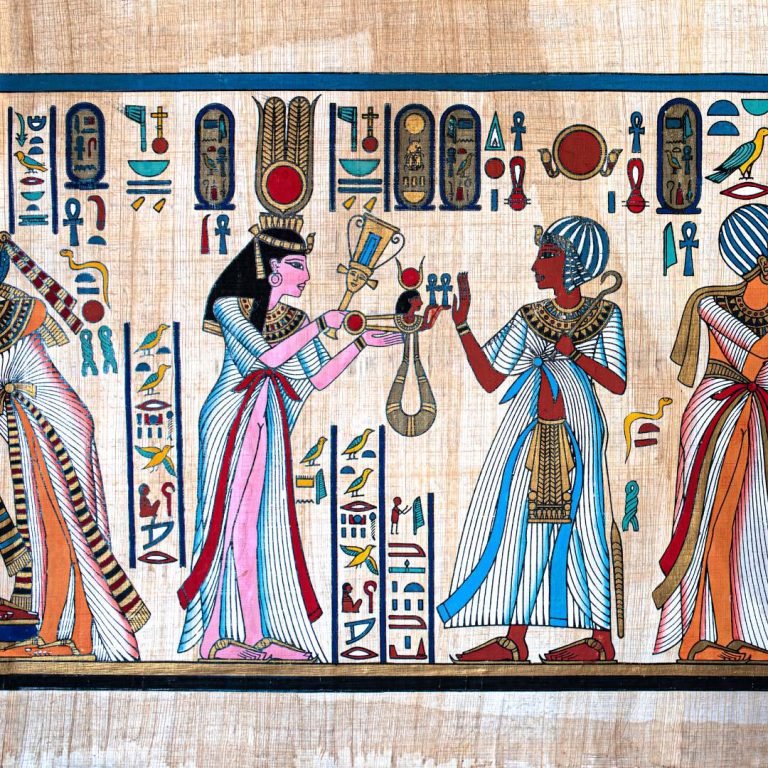
In the world of ancient Egypt, where stone monuments and hieroglyphic inscriptions have long captivated the imagination, there exists a more delicate yet equally enduring medium that has preserved the thoughts, prayers, and artistry of a civilization—the papyrus scroll. Known as the world’s first paper, papyrus is a material that not only revolutionized record-keeping and communication in ancient Egypt but also played a pivotal role in the preservation of its culture and history. Today, the art of making papyrus is very much alive, offering a unique connection to the past for those who visit this storied land.
Papyrus is made from the papyrus plant (Cyperus papyrus), a tall, reed-like plant that once grew abundantly along the banks of the Nile River. The ancient Egyptians discovered that the fibrous inner pith of the plant could be cut into strips, soaked, and then pressed together to form a smooth, durable surface ideal for writing and painting. This process, perfected over millennia, gave rise to one of the most significant inventions in human history—the first true paper.
The significance of papyrus in ancient Egypt cannot be overstated. It was used to create everything from administrative documents and legal texts to religious manuscripts and personal letters. The famous “Book of the Dead,” a guide to the afterlife filled with spells and instructions for the deceased, was often written on papyrus scrolls and placed in tombs alongside mummies. Papyrus was also used as a canvas for elaborate artwork, including detailed depictions of gods, pharaohs, and scenes from everyday life.
In addition to its practical uses, papyrus held a symbolic meaning in Egyptian culture. The plant itself was associated with the god Thoth, the deity of wisdom, writing, and knowledge, and it often appeared in Egyptian art as a symbol of life and regeneration. The process of making papyrus was considered a sacred art, one that required both skill and reverence for the material’s cultural significance.
Today, genuine papyrus is still made using the traditional methods developed by the ancient Egyptians. Artisans carefully harvest the papyrus plants, peel away the tough outer layers, and slice the inner pith into thin strips. These strips are then soaked in water to remove the natural sugars and soften the fibers, before being laid out in overlapping layers. The layers are pressed together, allowing the natural sap to bind the strips into a single sheet. Once dried and polished, the resulting papyrus is a durable, flexible sheet that can be used for writing, painting, or display.
Papyrus continues to be a popular medium for Egyptian art, with contemporary artisans creating beautiful pieces that draw inspiration from the motifs and themes of the ancient world. Whether adorned with hieroglyphics, scenes of daily life, or portraits of gods and pharaohs, these works of art capture the essence of Egypt’s rich history and enduring cultural legacy.
To truly appreciate the artistry and historical significance of papyrus, there is no better experience than visiting a papyrus institute in Egypt. Ancient Navigator offers exclusive visits to these institutes, where guests can observe the meticulous process of papyrus making and explore the diverse range of artworks created by skilled artisans.
Papyrus institutes serve as both workshops and educational centers, preserving the ancient techniques of papyrus production while also introducing visitors to the rich history behind this iconic material. When you enter one of these institutes, you step into a space where tradition and creativity converge, where the air is filled with the scent of freshly pressed papyrus, and the walls are adorned with vibrant artworks that bring the past to life.
During your visit, you’ll have the opportunity to witness each step of the papyrus-making process. Skilled artisans will guide you through the harvesting of the papyrus plant, the careful preparation of the strips, and the pressing and drying techniques that transform raw plant material into the final product. This hands-on demonstration not only highlights the complexity of the process but also the dedication required to master it.
As you watch the artisans at work, you’ll gain a deeper understanding of the cultural and historical importance of papyrus. The institute’s guides, often experts in Egyptology, will share fascinating insights into how papyrus was used in ancient times, the role it played in the administration and religious practices of the ancient Egyptians, and how it became a key factor in the dissemination of knowledge throughout the ancient world.
One of the most engaging aspects of visiting a papyrus institute is the opportunity to explore the gallery of artworks created by the resident artisans. These pieces range from traditional reproductions of ancient Egyptian scenes to more contemporary interpretations that blend old and new motifs. The intricate details and vibrant colors of these artworks are a testament to the skill and creativity of the artisans, many of whom have spent decades perfecting their craft.
Visitors to the papyrus institutes also have the chance to try their hand at creating their own papyrus art. Under the guidance of the artisans, you can learn how to inscribe hieroglyphics, paint traditional Egyptian motifs, or simply experiment with the medium in your own way. This interactive experience is not only fun but also offers a personal connection to the art of papyrus making, allowing you to take home a piece of Egypt’s history that you’ve created yourself.
In addition to the educational and artistic experiences, papyrus institutes offer an unparalleled opportunity to purchase authentic papyrus artworks. These pieces make for unique and meaningful souvenirs, whether as gifts or as additions to your own collection. When you purchase from a papyrus institute, you can be confident in the authenticity and quality of the item, as well as in the knowledge that your purchase supports the continuation of this ancient craft.
When shopping for papyrus in Egypt, it’s important to be able to distinguish between genuine, hand-crafted papyrus and the mass-produced imitations that are often sold in tourist areas. Authentic papyrus is made using the traditional methods described earlier, resulting in a product that is both durable and aesthetically pleasing. Imitation papyrus, on the other hand, is often made from cheaper materials like banana leaves or sugarcane, and lacks the texture, strength, and historical authenticity of the real thing.
Here are a few tips to help you identify genuine papyrus:
1. Texture and Flexibility: Authentic papyrus has a unique texture that is slightly rough to the touch, with visible fibers running both horizontally and vertically. It is also flexible, allowing it to be rolled and unrolled without cracking or breaking. In contrast, imitation papyrus is often smoother and more brittle, with a tendency to tear or crack when manipulated.
2. Color and Transparency: Genuine papyrus has a natural, light brown color with variations that result from the pressing process. When held up to the light, real papyrus will have a slight translucency, allowing you to see the overlapping layers of fibers. Imitation papyrus is usually more uniform in color and less transparent.
3. Water Resistance: One of the defining characteristics of authentic papyrus is its water resistance. When exposed to moisture, real papyrus will not dissolve or become overly saturated, thanks to the natural sap that binds the fibers together. A simple test is to place a small drop of water on the papyrus—if it absorbs quickly or damages the surface, it’s likely an imitation.
4. Certification and Provenance: Reputable papyrus institutes and vendors will often provide a certificate of authenticity with your purchase, detailing the origin and production process of the papyrus. This certification not only guarantees the quality of the product but also adds to its value as a collector’s item.
5. Artwork and Detailing: The quality of the artwork on the papyrus is also a good indicator of its authenticity. Genuine papyrus art is usually hand-painted, with vibrant colors and intricate details that reflect the skill of the artist. Mass-produced imitations often feature printed designs that lack the depth and richness of hand-painted works.
By following these guidelines, you can ensure that the papyrus you bring home is a true piece of Egyptian heritage, one that connects you to the ancient world in a way that few other souvenirs can.
Papyrus is more than just a material; it is a symbol of Egypt’s legacy as a cradle of civilization, a medium through which knowledge, art, and culture have been preserved for millennia. Whether you choose a simple sheet inscribed with your name in hieroglyphics, a detailed reproduction of an ancient scene, or an original work of art, owning a piece of papyrus is like holding a fragment of history in your hands—a reminder of the ingenuity and artistry of one of the world’s greatest civilizations.
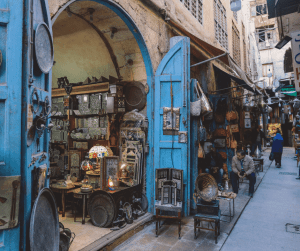
Travel is not just about the places we visit or the sights we see; it’s about the experiences that shape us, the connections we make, and the memories we carry with us long after we’ve returned home. In Egypt, a land steeped in history and tradition, these connections run deep, entwined with the stories, craftsmanship, and artistry that have been passed down through generations. When you choose to bring home a handmade souvenir from Egypt, you’re not just acquiring an object—you’re preserving a piece of the culture, supporting local artisans, and creating a tangible link to your journey through this ancient land.
Each of the crafts we’ve explored—alabaster, carpets, and papyrus—represents a vital aspect of Egypt’s cultural heritage. These aren’t just items to be displayed or used; they are living traditions that have been honed over centuries, reflecting the values, beliefs, and daily life of the Egyptian people.
Alabaster, with its luminous beauty, connects you to the spiritual and artistic practices of ancient Egypt, where stone was more than a material—it was a conduit to the divine. Egyptian carpets, with their intricate designs and luxurious textures, weave stories of family, community, and artistic expression into every knot. Papyrus, the ancient medium of writing and art, offers a direct link to the thoughts and creativity of a civilization that revolutionized human history.
When you bring these items into your home, you’re not just adding to your decor; you’re inviting the spirit of Egypt into your life. These crafts are imbued with the essence of the people who made them, their hands guided by tradition, their work a testament to the endurance of cultural identity. Each piece serves as a reminder that even in a rapidly changing world, there are traditions that endure, carrying the wisdom and beauty of the past into the present.
In an era where mass production dominates the global market, choosing to buy handmade souvenirs is a powerful act of preservation. The artisans who create these works are often part of a long lineage of craftsmen and women, each generation passing down their skills and knowledge to the next. By purchasing their work, you’re directly supporting these individuals and their families, helping to ensure that these ancient crafts continue to thrive.
Ancient Navigator’s commitment to connecting travelers with authentic cultural experiences goes beyond merely showcasing these crafts—it’s about fostering meaningful relationships between visitors and the artisans. When you visit a local alabaster workshop, a carpet school, or a papyrus institute, you’re not just observing; you’re participating in a dialogue between cultures, where your appreciation and support contribute to the sustainability of these time-honored traditions.
The economic impact of your purchase is significant. In many cases, the income from selling handmade crafts is a primary source of livelihood for these artisans. Your investment in their work helps to sustain their craft, allowing them to continue creating, teaching, and preserving their cultural heritage for future generations. This, in turn, helps to keep local economies vibrant and resilient, providing a stable foundation for communities that have weathered the challenges of modernity while holding onto their cultural roots.
One of the most rewarding aspects of bringing home a handmade souvenir from Egypt is the personal connection it fosters. Each piece you acquire comes with a story—one that is often enriched by the experience of meeting the artisan who created it, learning about the process, and understanding the cultural significance behind it. These stories transform ordinary objects into cherished keepsakes, imbued with the memories of your journey.
Imagine placing a hand-carved alabaster vase on your shelf, knowing that it was crafted by a skilled artisan in Luxor, using the same techniques that have been employed for millennia. Or unrolling a beautifully woven carpet in your living room, recalling the time you spent in a Cairo carpet school, watching the weavers bring intricate patterns to life, knot by knot. Or displaying a vibrant papyrus painting, each brushstroke a reminder of the ancient wisdom and artistic flair that once flourished along the Nile.
These items become more than just decorations—they become conversation pieces, sparking interest and curiosity among friends and family. They are reminders of the places you’ve been, the people you’ve met, and the cultures you’ve encountered. Every time you glance at them, you’re transported back to the bustling markets, the quiet workshops, and the sunlit banks of the Nile, reliving the sights, sounds, and emotions of your Egyptian adventure.
To ensure that your handmade souvenirs retain their beauty and significance for years to come, it’s important to care for them properly. Each material—whether alabaster, textile, or papyrus—requires specific attention to preserve its integrity and appearance.
Alabaster: Alabaster is a relatively soft stone, so it should be handled with care to avoid scratches or chips. Keep alabaster pieces out of direct sunlight, as prolonged exposure can cause discoloration. To clean, simply wipe with a soft, damp cloth; avoid harsh chemicals that could damage the stone’s surface.
Carpets: Regular maintenance is key to preserving the beauty of Egyptian carpets. Vacuum them regularly to remove dust and dirt, and rotate them periodically to ensure even wear. Avoid placing carpets in areas with heavy foot traffic or direct sunlight. If a deeper cleaning is needed, seek out a professional who specializes in hand-woven rugs to prevent damage to the fibers and dyes.
Papyrus: Papyrus is a durable material, but it should be kept away from excessive humidity or direct sunlight to prevent warping and fading. If framed, ensure that the glass or acrylic cover is UV-resistant to protect the colors. Dust the surface gently with a soft cloth to keep the artwork looking fresh.
By taking care of these items, you’re ensuring that they continue to bring joy and inspiration into your life, while also honoring the craftsmanship and cultural significance that they represent.
As your journey through Egypt comes to an end, the memories you’ve made and the experiences you’ve had will undoubtedly stay with you. But by bringing home a handmade souvenir, you’re also bringing back a piece of Egypt itself—a tangible reminder of the beauty, history, and culture that make this country so extraordinary.
Whether it’s the smooth, cool touch of alabaster, the intricate patterns of a hand-woven carpet, or the timeless elegance of papyrus, these souvenirs are more than just objects; they are symbols of your connection to a land that has inspired and captivated travelers for centuries. They are a testament to the enduring spirit of Egypt’s artisans, who continue to create with the same passion and skill as their ancestors. And they are a gift to yourself, a way of keeping the magic of Egypt alive in your heart and home.
At Ancient Navigator, we believe that travel is about more than just seeing new places—it’s about forming connections that last a lifetime. By choosing to explore Egypt’s artisanal traditions with us, you’re not only enriching your own experience but also contributing to the preservation of a cultural heritage that belongs to us all. So, as you pack your bags and prepare to return home, know that the treasures you carry with you are more than just souvenirs—they are a piece of Egypt, a part of its story, and now, a part of yours.
If your travel plans are further out. Get on our wait list and we will let you know when future dates and pricing become available.
Sign up below to get on the wait list. You will be one of the first to be notified when reservations open up.
Required*
Sign up to hear about our upcoming adventures, monthly newsletter, exclusive offers, and more!
Required*
Not Ready to book?
Get regular updates on upcoming tour and special promotions.

Sign up for our Mailing List to get updates on our current offerings.