

Unveiling the Mysteries of the Red Pyramid: A Guide to Visiting Egypt’s Ancient Wonder

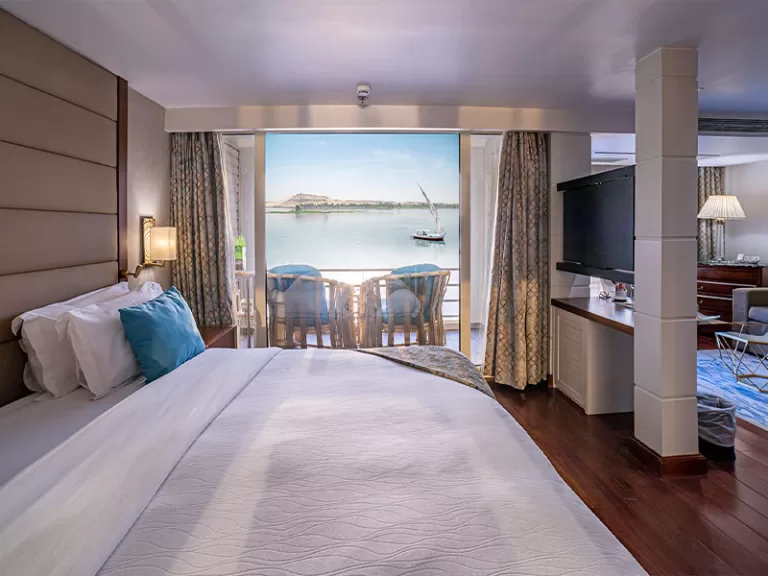
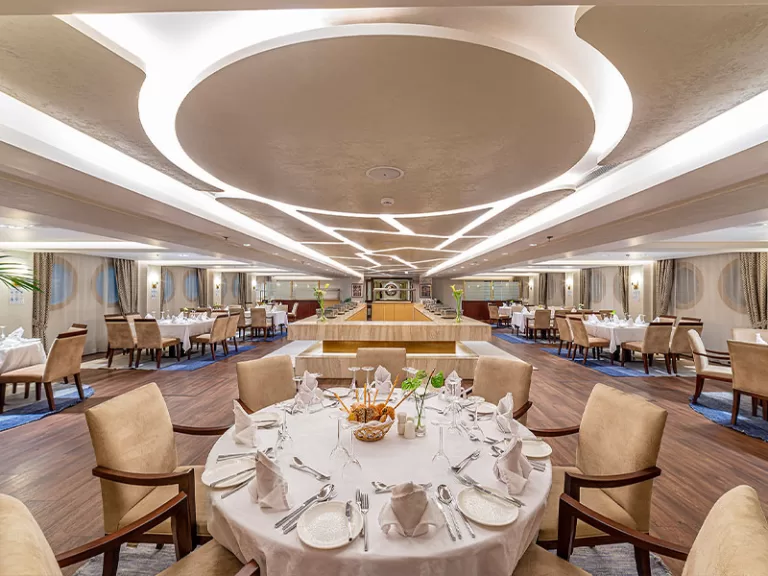
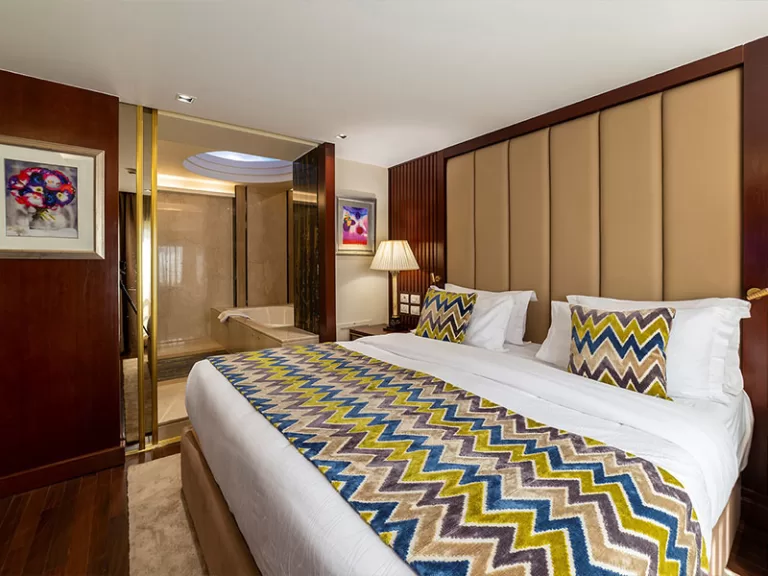
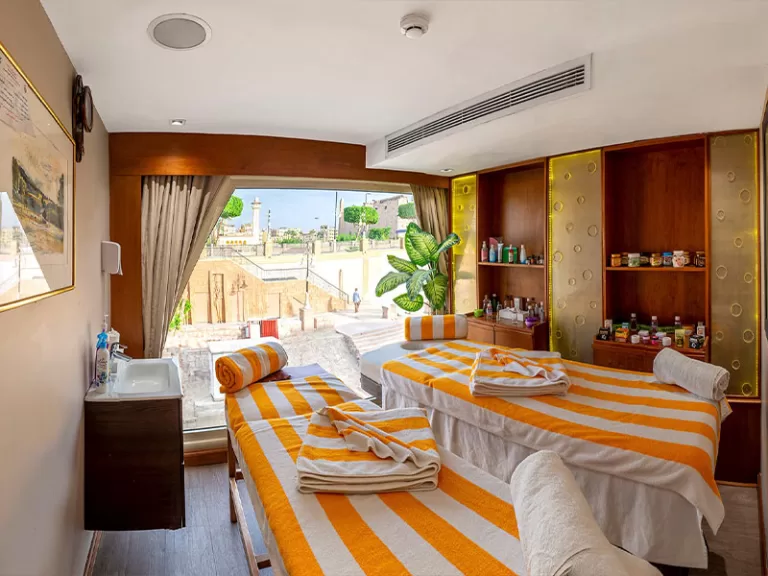
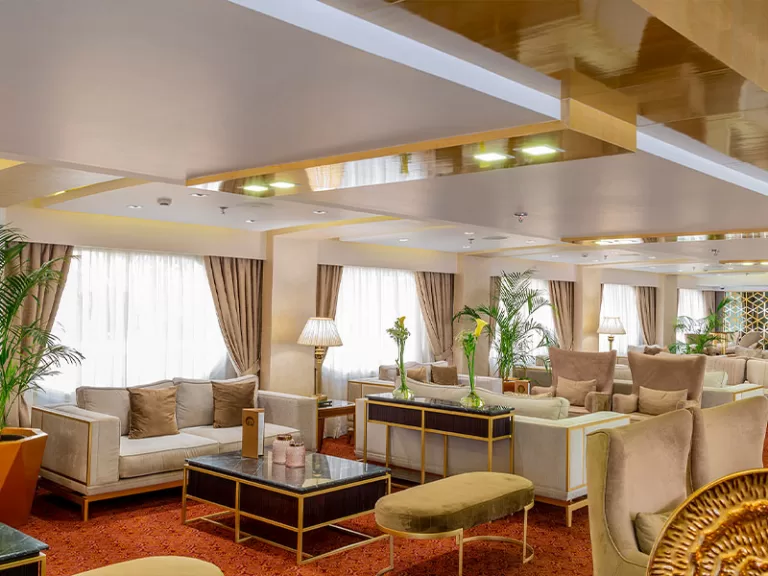
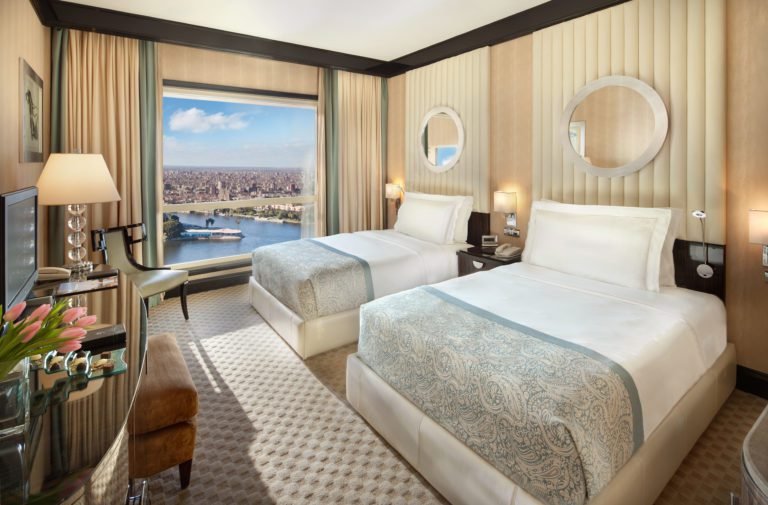
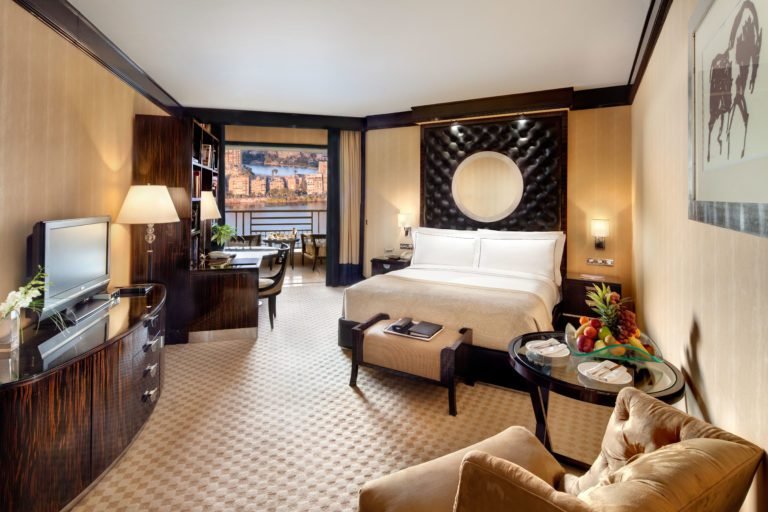
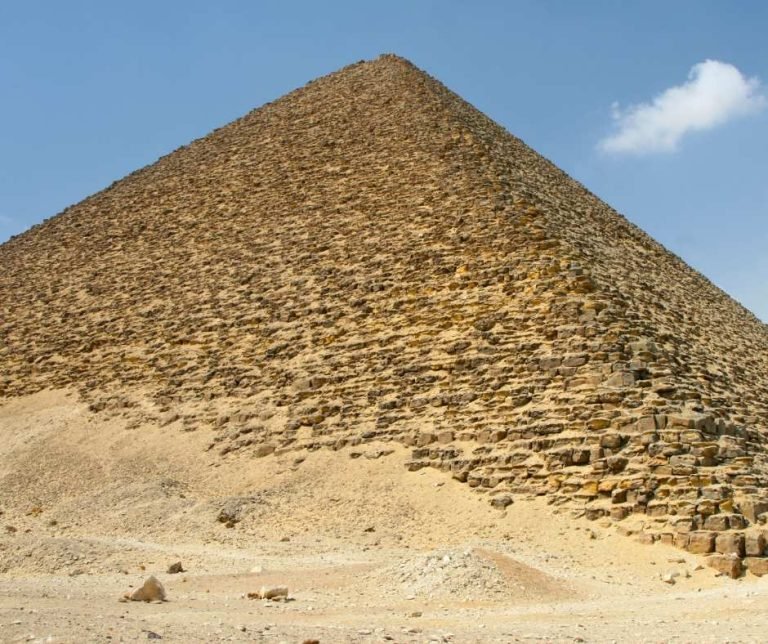
Egypt is home to many ancient wonders, but one of the most fascinating is the Red Pyramid. Located in Dahshur, about 40 kilometers south of Cairo, this pyramid is unique in many ways, from its distinctive red color to its impressive construction techniques. In this blog post, we’ll explore the history, design, and secrets of the Red Pyramid, and provide tips for planning your visit to this iconic Egyptian site. Additionally, Ancient Navigator offers a 14-day tour of Egypt that includes a visit to the Red Pyramid, providing a personalized experience for those who want to discover Egypt’s ancient wonders in comfort and style.

History of the Red Pyramid

The Red Pyramid was built during the reign of Pharaoh Sneferu, who was one of the most prolific pyramid builders in ancient Egypt. The pyramid was constructed around 2600 BCE and is believed to be the first true pyramid ever built. It was originally called the “North Pyramid” because of its location, but it later became known as the Red Pyramid due to the reddish limestone used in its construction. The pyramid served as the final resting place of Sneferu, and it is said to contain many treasures and artifacts that are yet to be discovered.

Architecture and Design

The Red Pyramid is unique in many ways, including its distinctive red color and its impressive construction techniques. Unlike other pyramids, the Red Pyramid has a smooth, even surface that creates a sleek and elegant appearance. The pyramid is also built at a shallower angle than other pyramids, giving it a more triangular shape. The red limestone used in the pyramid’s construction came from a nearby quarry and was carefully cut and polished to fit together perfectly. This allowed for a seamless finish that is unlike any other pyramid in Egypt.
 

Inside the Red Pyramid

The interior of the Red Pyramid is just as impressive as its exterior. The pyramid contains three chambers, each with a different purpose. The first chamber is a large entrance hall that leads to the second chamber, which is known as the burial chamber. This chamber is where Sneferu was laid to rest and is the centerpiece of the pyramid. The third chamber, located above the burial chamber, is known as the “relieving chamber” and was likely used to reduce the weight on the burial chamber below. Visitors to the Red Pyramid can explore these chambers and marvel at the impressive construction techniques used to create them.

Visiting the Red Pyramid

Visiting the Red Pyramid is a must for anyone interested in Egyptian history and architecture. To plan your visit, start by deciding on the best time of year to go. The best time to visit Egypt is between November and March, when the weather is mild and pleasant. You’ll also want to book your tickets in advance to avoid long lines and wait times. Additionally, Ancient Navigator offers a 14-day tour of Egypt that includes a visit to the Red Pyramid, providing a personalized experience for those who want to discover Egypt’s ancient wonders in comfort and style.

Conclusion

The Red Pyramid is a fascinating example of ancient Egyptian architecture and design, and it is a must-see attraction for anyone visiting Egypt. With its unique color, impressive construction techniques, and rich history, the Red Pyramid is a testament to the ingenuity and creativity of the ancient Egyptians. If you’re planning a trip to Egypt, be sure to include a visit to the Red Pyramid on your itinerary. And for a personalized and luxurious experience, consider booking Ancient Navigator’s 14-day tour of Egypt, which includes a visit to the Red Pyramid and other iconic Egyptian sites.

Fun Facts and Trivia


  • The Red Pyramid is the third-largest pyramid in Egypt, after the Great Pyramid of Giza and the Pyramid of Khafre.
  • The pyramid was originally 105 meters tall, but today it stands at 104 meters due to erosion.
  • It is the only pyramid in Egypt that visitors can enter the burial chamber without additional fees.
  • The pyramid was closed to visitors for several years due to renovations, but it has since reopened and is now a popular tourist attraction.
  • It is believed that the pyramid took about 17 years to complete and required over 2 million cubic meters of limestone to construct.

See these amazing sites in person. With Ancient Navigator

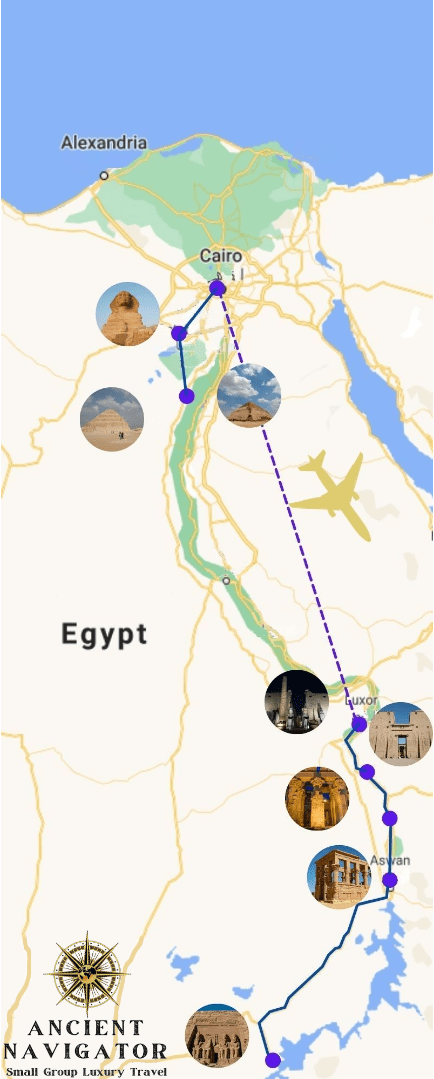
Map of Egypt with highlight photos of the major touring sites for Ancient Navigator

Planning a Trip to Egypt? Here’s How Long You Need

Think you can “do” Egypt in 3 days? Think again. From ancient tombs to Nile-side secrets, this guide reveals why the magic of Egypt demands more than a layover—and shows you exactly how many days you really need to make it unforgettable. Don’t book that flight until you read this.

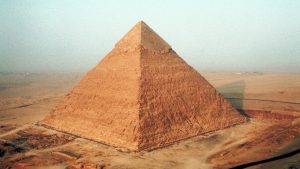
How Far Does $100 Go in Egypt?

Think $100 won’t get you far? In Egypt, it’s a game-changer. From luxury hotels to mouthwatering meals and ancient wonders, see how far your dollar really goes. This guide breaks down real costs, insider tips, and jaw-dropping experiences you can afford—without breaking the bank.

Join the Wait list!

If your travel plans are further out. Get on our wait list and we will let you know when future dates and pricing become available. 

Sign up below to get on the wait list. You will be one of the first to be notified when reservations open up. 

Required*

Discover the World with Ancient Navigator

Sign up to hear about our upcoming adventures, monthly newsletter, exclusive offers, and more!

Required*

Not Ready to book?

Join our Email List

Get regular updates on upcoming tour and special promotions.

Before you Go

Sign up for our Mailing List to get updates on our current offerings.